English
 Arabic
 French
 Spanish
 Portuguese
 Deutsch
 Turkish
 Dutch
Dutch
 Italiano
 Russian
 Romaian
 Portuguese (Brazil)
 Greek
Greek
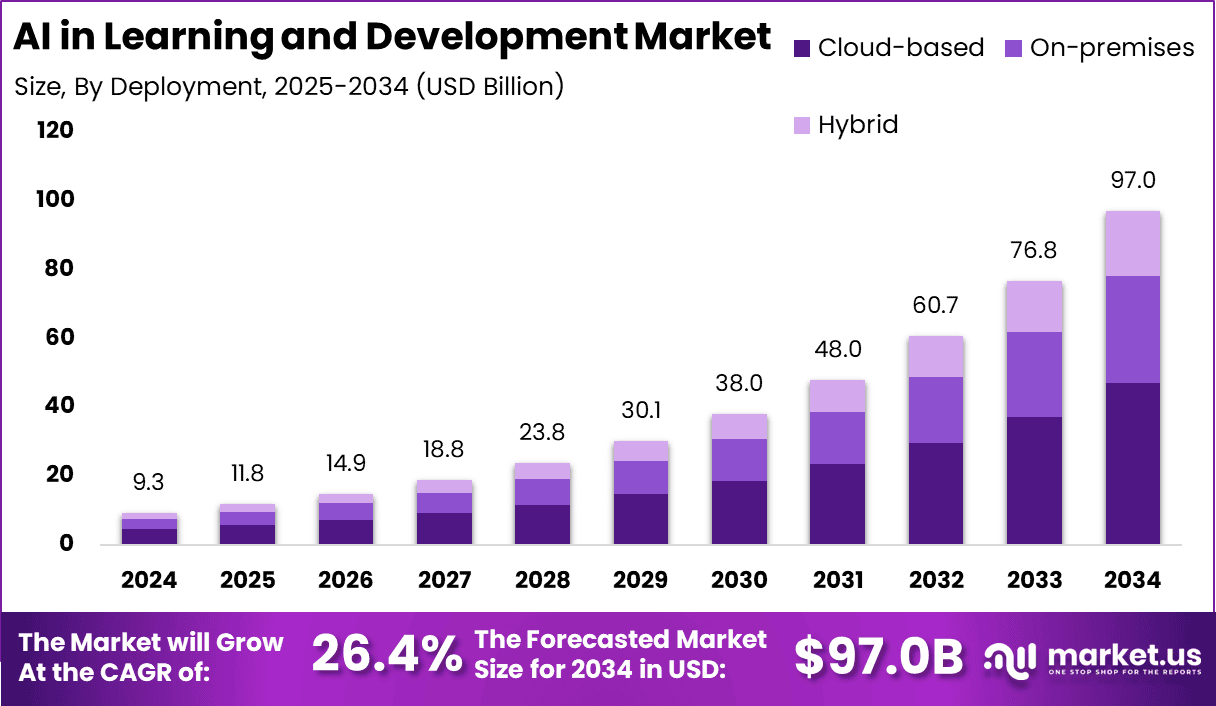
AI in Learning and Development Market size is expected to be worth around USD 97 Billion
Other |
2025-09-17 10:27:56
 Social Networth OS
 Creator Commerce
 Launch Startup
 Global News
 Creator Award
 Talkfever App
Mostra tutti i risultati
Talkfever App
Mostra tutti i risultati

Passa a Pro
The mobile-first economy continues to evolve, and in 2026, businesses across the United States are investing in smarter, faster, and more scalable mobile applications than ever before. From AI-powered customer experiences to cross-platform development and enterprise mobility, mobile apps have become a core driver of digital transformation.
Whether you're a startup launching your first product or an enterprise modernizing operations, understanding the latest mobile app development trends can help you build applications that remain competitive, secure, and future-ready.
In this guide, we'll explore the most important mobile app development trends shaping the US market in 2026 and how businesses can leverage them to drive growth.
Consumers expect fast, personalized, and seamless digital experiences. According to industry research, mobile devices account for the majority of digital interactions in the United States, making mobile applications essential for customer engagement, sales, and operational efficiency.
Businesses are no longer building apps simply to establish an online presence—they're creating intelligent digital products that automate workflows, improve customer satisfaction, and generate long-term revenue.
Artificial Intelligence has shifted from being a premium feature to an essential capability for modern mobile applications.
Today's mobile apps can:
Technologies such as GPT models, Claude, Gemini, Llama, LangChain, and vector databases are enabling businesses to create intelligent mobile experiences that continuously improve through user interactions.
Business Impact
Companies integrating AI into their mobile applications are seeing higher engagement, faster customer support, and improved conversion rates.
Businesses are increasingly choosing cross-platform frameworks to reduce development costs while maintaining high performance.
Popular frameworks include:
Instead of building separate applications for Android and iOS, companies can launch both platforms from a shared codebase, reducing maintenance costs and accelerating time to market.
For startups and growing businesses, this approach offers an ideal balance between performance and budget.
Modern users expect applications to understand their preferences automatically.
In 2026, personalization goes far beyond displaying a user's name.
Applications now analyze:
This allows businesses to deliver personalized dashboards, tailored product recommendations, dynamic notifications, and customized content that increases user retention.
Cybersecurity remains one of the highest priorities for US organizations.
Businesses are implementing:
Companies handling healthcare, financial, or customer data must also comply with regulations such as HIPAA, PCI DSS, and applicable state privacy laws.
Security is no longer a post-launch consideration—it is built into every stage of app development.
Cloud infrastructure enables businesses to build applications that scale effortlessly.
Benefits include:
Platforms such as AWS, Microsoft Azure, and Google Cloud help businesses deliver reliable mobile experiences while supporting millions of users.
Cloud-native architecture also simplifies future updates and feature rollouts.
Rather than downloading multiple applications, users increasingly prefer platforms that offer multiple services in one place.
Examples include applications combining:
Many US businesses are adopting this strategy to increase user retention and reduce customer acquisition costs.
Low-code platforms are accelerating digital transformation.
Instead of replacing professional developers, these platforms help organizations:
Professional development teams still handle custom functionality, integrations, scalability, and security while leveraging low-code tools to improve productivity.
With wider 5G adoption across the United States, mobile applications are becoming faster and more responsive.
Businesses can now deliver:
Faster connectivity enables developers to create richer applications without compromising user experience.
Mobile applications are no longer limited to customer-facing experiences.
Organizations are developing internal applications for:
Enterprise mobility improves productivity, reduces manual processes, and provides employees with secure access to business systems from anywhere.
Consumers are becoming increasingly aware of how businesses collect and use their personal information.
Successful mobile applications now prioritize:
Privacy-first development builds trust and supports long-term customer relationships.
Instead of chasing every emerging technology, businesses should focus on trends that deliver measurable value.
Key priorities include:
Combining these elements creates mobile applications that remain competitive for years rather than becoming outdated shortly after launch.
The mobile app landscape in 2026 is being shaped by artificial intelligence, cloud computing, stronger cybersecurity, cross-platform technologies, and highly personalized user experiences. Businesses that embrace these trends can create scalable digital products that improve customer engagement, streamline operations, and generate sustainable growth.
Rather than adopting every new technology, companies should focus on mobile app development solutions that align with their business objectives, customer expectations, and long-term digital strategy. Investing in modern mobile app development today positions organizations to compete effectively in an increasingly mobile-driven
Artificial Intelligence is the most significant trend. Businesses are integrating AI features such as intelligent search, chatbots, personalized recommendations, predictive analytics, and workflow automation to improve user experience and operational efficiency.
For most startups, cross-platform development offers the best balance of cost, speed, and performance. Native development is typically preferred when an application requires advanced device-specific functionality or maximum performance.
Development timelines depend on the project's complexity. A basic MVP may take 3–5 months, while enterprise-grade applications with advanced integrations, AI capabilities, and custom workflows can require 6–12 months or more.
Strong security protects customer data, ensures regulatory compliance, reduces business risk, and builds trust. Security should be integrated throughout the development lifecycle rather than added after launch.