English
 Arabic
 French
 Spanish
 Portuguese
 Deutsch
 Turkish
 Dutch
Dutch
 Italiano
 Russian
 Romaian
 Portuguese (Brazil)
 Greek
Greek
Copper Powder Market to Reach USD 1.22 Billion by 2032 as Electronics and Additive Manufacturing Drive Demand
Other |
2026-07-07 09:29:07
 Social Networth OS
 Creator Commerce
 Launch Startup
 Global News
 Creator Award
 Talkfever App
TOON ALLES
Talkfever App
TOON ALLES

Upgrade to Pro
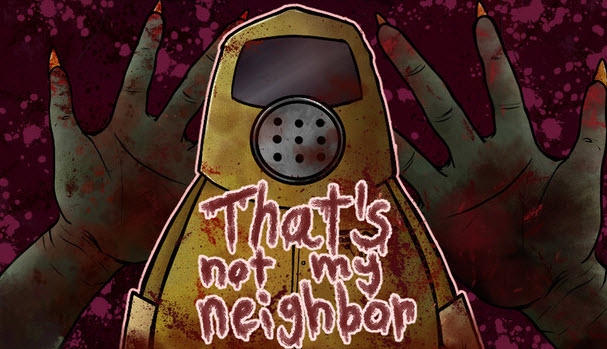
Most horror games rely on jump scares, terrifying creatures, or constant action to keep players on edge. That's Not My Neighbor takes a completely different path. Instead of giving you weapons or asking you to outrun monsters, it places you behind a security desk where every decision matters. Your job sounds simple: verify residents and keep dangerous impostors out of the building. In reality, every face, document, and tiny inconsistency can determine whether innocent people remain safe or disaster slips through the front door.
What makes the game especially stressful is that the danger isn't always obvious. A visitor may appear completely normal at first glance, yet a mismatched ID photo, a missing facial feature, or an unusual response during questioning can reveal that something is terribly wrong. Unlike traditional horror games that reward quick reflexes, That's Not My Neighbor rewards patience, concentration, and careful observation. The longer you play, the more you begin to question every small detail, creating a sense of paranoia that few games manage to achieve.
The repetitive routine is another reason the tension keeps growing. Every shift follows the same basic process—checking documents, comparing appearances, and deciding who can enter. Because the tasks become familiar, even the smallest irregularity immediately feels suspicious. The game cleverly transforms ordinary office work into psychological horror, proving that fear doesn't always require darkness or loud sound effects.
One of the most memorable aspects of That's Not My Neighbor is the weight of every choice. Let the wrong visitor inside, and the consequences can be devastating. Reject an innocent resident, and you've made a serious mistake. There are no perfect hints telling you what to do, leaving every decision in your hands. That responsibility creates genuine pressure and encourages players to think carefully instead of acting on instinct.
The game's distinctive visual style also adds to its unsettling atmosphere. Inspired by a retro setting, the building, paperwork, and character designs feel ordinary enough to be believable, yet strange enough to make players uncomfortable. Rather than overwhelming players with graphic horror, it slowly builds suspense through uncertainty, making each successful inspection feel rewarding while every mistake becomes unforgettable.
Another reason players continue returning to That's Not My Neighbor is its replay value. Every session presents different visitors, document combinations, and opportunities to make difficult decisions. Even after understanding the core mechanics, no shift feels completely predictable. This keeps the experience fresh and challenges players to improve their observation skills over time.
In a genre filled with action-packed survival games and cinematic horror adventures, That's Not My Neighbor stands out by proving that psychological tension can be far more effective than constant jump scares. It demonstrates that the fear of making the wrong decision can be just as powerful as facing a terrifying monster. If you're looking for a horror experience that challenges your attention, judgment, and nerves instead of your combat skills, this unique indie title offers one of the most memorable experiences available today.