English
 Arabic
 French
 Spanish
 Portuguese
 Deutsch
 Turkish
 Dutch
Dutch
 Italiano
 Russian
 Romaian
 Portuguese (Brazil)
 Greek
Greek
How to Speak Crypto.com Support Number
Other |
2025-04-18 11:25:38
 Social Networth OS
 Creator Commerce
 Launch Startup
 Global News
 Creator Award
 Talkfever App
Смотреть все
Talkfever App
Смотреть все

Обновить до Про
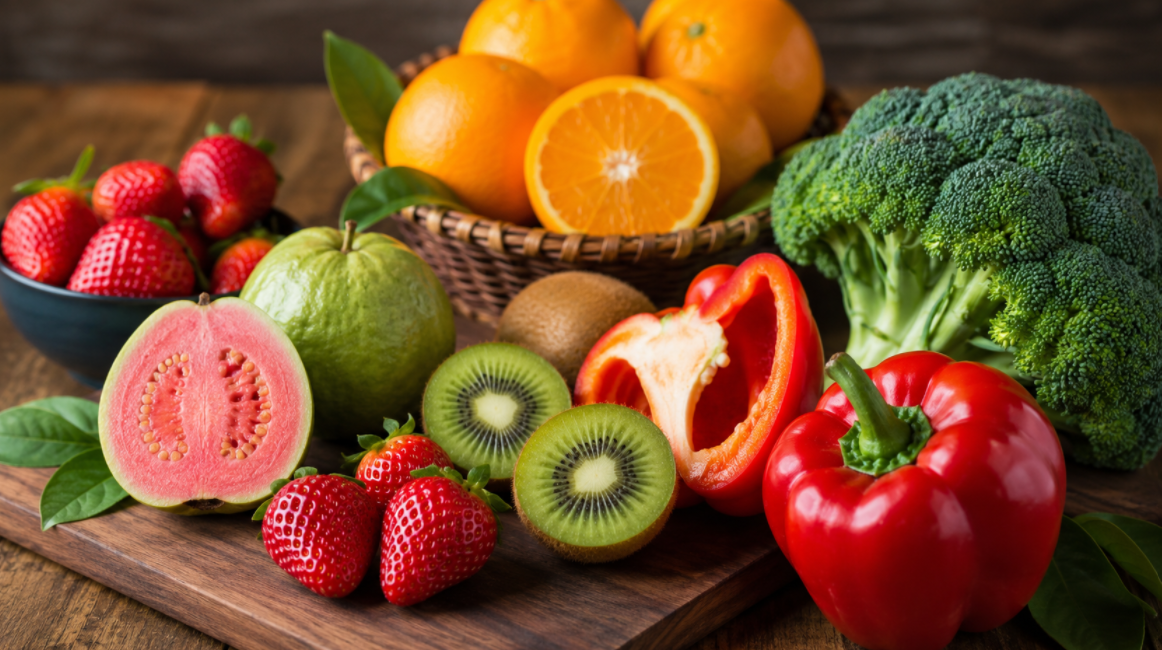
Vitamin C has long been associated with oranges, making the citrus fruit a symbol of immunity and overall wellness. While oranges are undoubtedly a nutritious choice, they are far from the richest source of this essential vitamin. In fact, several fruits and vegetables contain significantly higher amounts of vitamin C, offering an easy way to strengthen your immune system while diversifying your diet.
Vitamin C plays a vital role in supporting the body's natural defenses. It helps stimulate the production of white blood cells, acts as a powerful antioxidant to protect cells from damage, promotes healthy skin by supporting collagen production, and enhances the absorption of iron from plant-based foods. Since the human body cannot produce or store vitamin C, consuming it regularly through food is essential.
If you're looking to maximize your vitamin C intake, here are five foods that provide even more of this important nutrient than oranges.
Guava is one of the richest natural sources of vitamin C. A single medium-sized guava contains approximately 125–200 mg of vitamin C, depending on its size and variety. This is more than double the amount found in a medium orange, which provides around 70 mg.
Beyond vitamin C, guava is packed with dietary fiber, potassium, vitamin A, and antioxidants such as lycopene. These nutrients work together to support heart health, improve digestion, and reduce oxidative stress.
Health Benefits:
How to Enjoy It:
Eat fresh guava as a snack, blend it into smoothies, or add diced guava to fruit salads for a naturally sweet flavor.
Many people don't realize that vegetables can surpass fruits in vitamin C content. Red bell peppers are a perfect example. One cup of chopped red bell pepper contains around 190 mg of vitamin C, making it nearly three times richer than an orange.
Unlike cooking-sensitive vegetables, bell peppers retain a substantial amount of vitamin C even after light cooking.
Health Benefits:
How to Enjoy It:
Add sliced peppers to salads, stir-fries, sandwiches, wraps, or enjoy them raw with hummus as a healthy snack.
Kiwi may be small, but it delivers impressive nutritional value. One medium kiwi provides approximately 70–85 mg of vitamin C, while two kiwis easily exceed the vitamin C found in a medium orange.
Kiwis are also an excellent source of vitamin K, vitamin E, folate, potassium, and dietary fiber.
Health Benefits:
How to Enjoy It:
Slice kiwi into yogurt, oatmeal, fruit bowls, smoothies, or simply enjoy it fresh with a spoon.
Strawberries are not only flavorful but also an excellent source of vitamin C. One cup of fresh strawberries contains around 90–100 mg of vitamin C, comfortably exceeding the amount found in a medium orange.
In addition to vitamin C, strawberries provide manganese, folate, antioxidants, and plant compounds known as anthocyanins, which contribute to their vibrant red color.
Health Benefits:
How to Enjoy It:
Add strawberries to smoothies, breakfast cereals, yogurt, salads, or eat them fresh as a naturally sweet dessert.
Broccoli is often recognized for its impressive nutritional profile, and vitamin C is one of its standout nutrients. One cup of cooked broccoli provides approximately 80–100 mg of vitamin C, depending on the cooking method.
Broccoli is also rich in fiber, vitamin K, folate, calcium, and compounds such as sulforaphane, which have been studied for their potential health benefits.
Health Benefits:
How to Enjoy It:
Steam, roast, or lightly sauté broccoli to preserve its nutrients while enhancing its flavor.
Vitamin C is involved in several important biological processes that contribute to overall health and disease prevention.
Some of its key functions include:
Maintaining an adequate daily intake of vitamin C is particularly important during periods of increased physical stress, illness, or recovery.
Vitamin C is sensitive to heat, air, and prolonged storage. To maximize its nutritional value:
A balanced diet rich in whole foods is generally the best way to meet your vitamin C requirements.
While oranges remain a healthy and nutritious fruit, they are not the ultimate champion when it comes to vitamin C. Foods such as guava, red bell peppers, kiwi, strawberries, and broccoli offer even higher amounts of this essential nutrient while providing a wide range of additional vitamins, minerals, antioxidants, and fiber.
Including these foods in your regular diet can help strengthen your immune system, promote healthier skin, support heart health, and improve overall well-being. Rather than relying on a single fruit, aim to consume a colorful variety of fruits and vegetables to naturally meet your daily vitamin C needs and enjoy the full spectrum of health benefits they provide.
Among commonly consumed foods, guava and red bell peppers are among the richest natural sources of vitamin C, containing significantly more than oranges.
For many adults, one medium orange provides a substantial portion of the daily requirement. However, including a variety of vitamin C-rich foods offers additional nutrients and health benefits.
Yes. Vitamin C is heat-sensitive, so prolonged boiling can reduce its levels. Steaming, microwaving, or eating foods raw helps preserve more of the vitamin.
It is very uncommon to consume excessive vitamin C through food alone. Most healthy individuals can safely enjoy vitamin C-rich fruits and vegetables as part of a balanced diet.
Vitamin C does not prevent colds in most people. However, regular intake may slightly reduce the duration and severity of cold symptoms and supports normal immune function.
The recommended dietary allowance (RDA) for adults is approximately 90 mg per day for men and 75 mg per day for women, with higher requirements during pregnancy, breastfeeding, and for people who smoke.
Disclaimer: This article is intended for informational purposes only and should not be considered medical advice. Consult a qualified healthcare professional or registered dietitian for personalized dietary recommendations or if you have underlying health conditions.