English
 Arabic
 French
 Spanish
 Portuguese
 Deutsch
 Turkish
 Dutch
Dutch
 Italiano
 Russian
 Romaian
 Portuguese (Brazil)
 Greek
Greek
Generative PLC Engineering Market to Hit USD 6.1 Billion by 2036 as AI-Powered PLC Development Accelerates
Other |
2026-07-01 05:20:04
 Social Networth OS
 Creator Commerce
 Launch Startup
 Global News
 Creator Award
 Talkfever App
See All
Talkfever App
See All

Upgrade to Pro
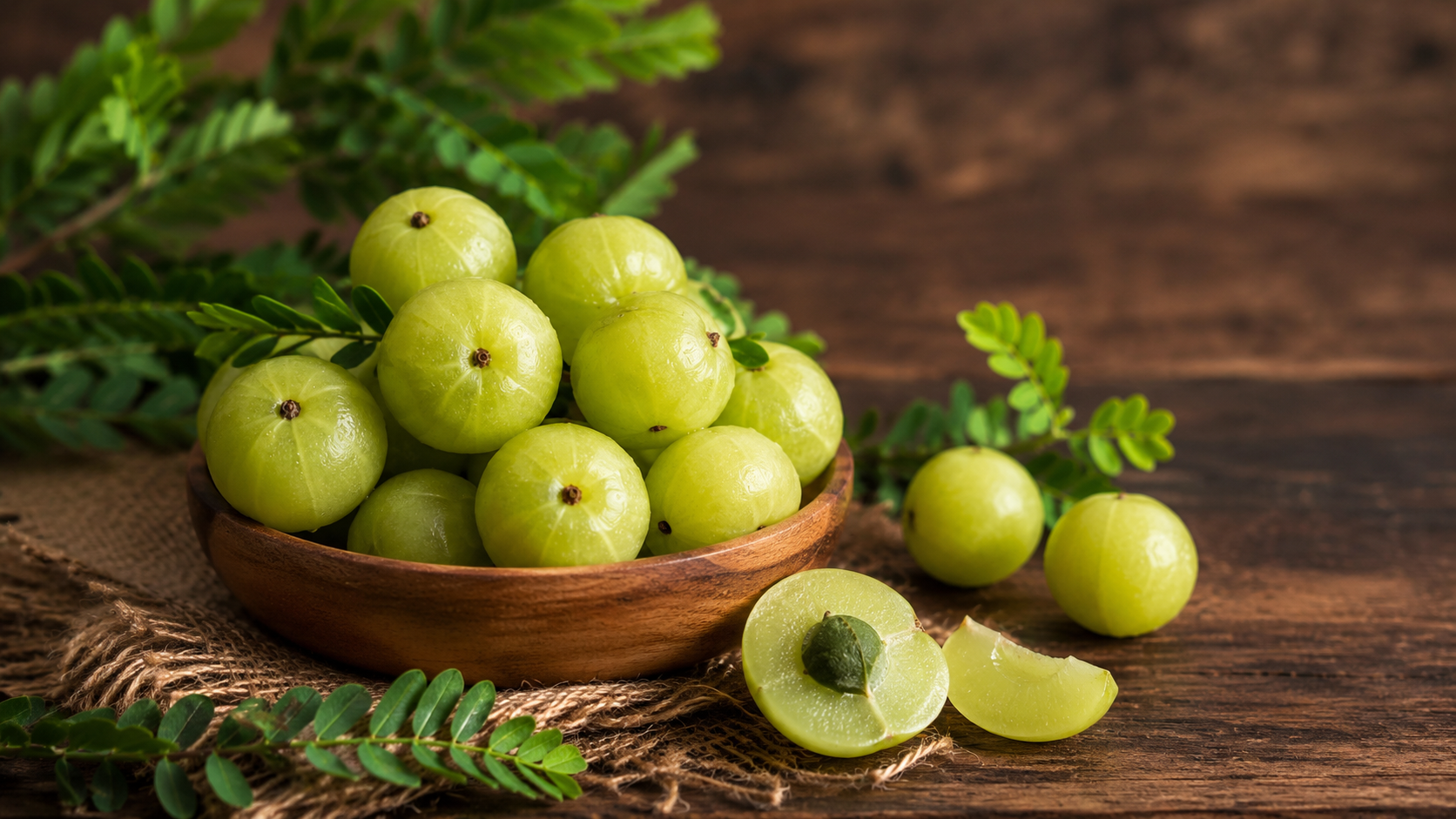
Indian gooseberry, commonly known as Amla, has earned a reputation as one of nature's most powerful superfoods. Revered in Ayurveda for centuries, this nutrient-dense fruit is packed with vitamin C, antioxidants, fiber, and plant compounds that support immunity, digestion, skin health, and overall wellness.
While Amla offers impressive health benefits, many people overlook an important fact: it is not suitable for everyone. Like any natural remedy or functional food, Amla can cause unwanted effects in certain individuals, especially when consumed excessively or alongside specific medications and health conditions.
Understanding who should avoid Amla and recognizing its potential risks can help you enjoy its benefits safely while preventing avoidable health complications.
Amla contains a rich blend of bioactive compounds, including polyphenols, tannins, flavonoids, and high levels of vitamin C. These compounds contribute to its anti-inflammatory, antioxidant, and immune-supporting properties.
However, the same biological activity that makes Amla beneficial can also interact with the body's natural processes in ways that may not be suitable for everyone. Factors such as existing medical conditions, medication use, and individual sensitivity can influence how the body responds to Amla.
One of the most important precautions involves individuals who take blood-thinning or anticoagulant medications.
Research suggests that Amla may possess mild blood-thinning properties and could potentially affect platelet function. While this may benefit some individuals, it could increase the risk of excessive bleeding when combined with medications such as warfarin, aspirin, clopidogrel, or other anticoagulants.
People scheduled for surgery should discuss Amla supplementation with their healthcare provider and may be advised to discontinue its use before medical procedures.
Amla has been studied for its potential role in supporting healthy blood sugar levels. While this may be beneficial for many people, it can become problematic for individuals who already experience low blood sugar.
Additionally, those taking diabetes medications should exercise caution because combining Amla with glucose-lowering drugs may result in blood sugar levels dropping too far.
Individuals with diabetes should monitor their blood glucose carefully when introducing Amla into their routine.
Those diagnosed with bleeding disorders such as hemophilia or platelet disorders should be particularly cautious.
Because Amla may influence blood clotting mechanisms, it could potentially worsen existing bleeding tendencies and complicate disease management.
Medical supervision is strongly recommended before using concentrated Amla supplements or extracts in such cases.
Although Amla is often praised for supporting digestive health, its naturally acidic nature may trigger discomfort in some people.
Individuals who suffer from:
may experience worsening symptoms after consuming large amounts of Amla, especially on an empty stomach.
Moderation and proper timing of consumption can help minimize digestive distress.
Emerging evidence suggests that Amla may contribute to healthy blood pressure regulation. However, individuals who naturally have low blood pressure or who take antihypertensive medications should be mindful of this effect.
Excessive consumption could potentially enhance blood-pressure-lowering effects and lead to symptoms such as:
Anyone taking blood pressure medication should consult a healthcare professional before using Amla supplements regularly.
Fresh Amla is generally considered safe when consumed in moderate dietary amounts. However, some commercially available Amla products may contain added ingredients, preservatives, or high concentrations that could pose concerns for individuals with kidney disorders.
Additionally, excessive intake of vitamin C-rich foods and supplements may contribute to oxalate formation in susceptible individuals, potentially increasing the risk of kidney stone development.
People with:
should seek medical guidance before consuming large quantities of Amla supplements.
Amla has long been used in traditional medicine and is commonly consumed as part of a balanced diet during pregnancy. However, the safety of concentrated Amla supplements, powders, extracts, and herbal formulations has not been extensively studied in pregnant or breastfeeding women.
While occasional dietary intake is generally considered acceptable, excessive consumption should be avoided unless specifically recommended by a healthcare provider.
Pregnant women should be particularly cautious with herbal mixtures that contain Amla alongside other medicinal ingredients.
Although rare, allergic reactions to Amla can occur.
Symptoms may include:
Anyone experiencing allergic symptoms after consuming Amla should discontinue use immediately and seek medical attention if symptoms worsen.
Even healthy individuals may experience side effects when consuming excessive amounts of Amla over extended periods.
Large quantities can cause:
Some individuals report increased dryness and dehydration when consuming excessive amounts of Amla regularly, particularly in dry climates or when water intake is inadequate.
Because Amla is highly acidic, frequent exposure may gradually affect tooth enamel. Drinking Amla juice through a straw and rinsing the mouth afterward can help reduce this risk.
Amla may interact with:
These interactions may alter treatment outcomes or increase the likelihood of side effects.
For most healthy adults, moderate consumption of fresh Amla, Amla juice, or Amla powder as part of a balanced diet is generally well tolerated.
The key principle is moderation.
Rather than assuming that larger amounts provide greater benefits, it is advisable to start with small quantities and observe how the body responds. Those with chronic medical conditions or those taking prescription medications should consult a qualified healthcare professional before introducing Amla supplements into their daily routine.
Indian gooseberry is undoubtedly one of the most celebrated natural foods in traditional and modern wellness practices. Its impressive nutritional profile and potential health benefits make it a valuable addition to many diets.
However, "natural" does not automatically mean "risk-free." Individuals taking blood-thinning medications, managing diabetes, living with bleeding disorders, suffering from digestive conditions, experiencing low blood pressure, or dealing with kidney concerns should approach Amla with caution.
Understanding both the benefits and the potential risks allows for informed decisions and safer consumption. When used responsibly and in appropriate amounts, Amla can remain a beneficial part of a healthy lifestyle without exposing individuals to unnecessary health complications.