English
 Arabic
 French
 Spanish
 Portuguese
 Deutsch
 Turkish
 Dutch
Dutch
 Italiano
 Russian
 Romaian
 Portuguese (Brazil)
 Greek
Greek
 Creator, Content & Commerce (3C)
 IMS for Investors
 Global News
 Vdo Junction
 Talkfever App
Vehicle Transport Service: Safe, Affordable & Reliable Vehicle Transportation Across India
Other |
2026-07-24 09:46:37
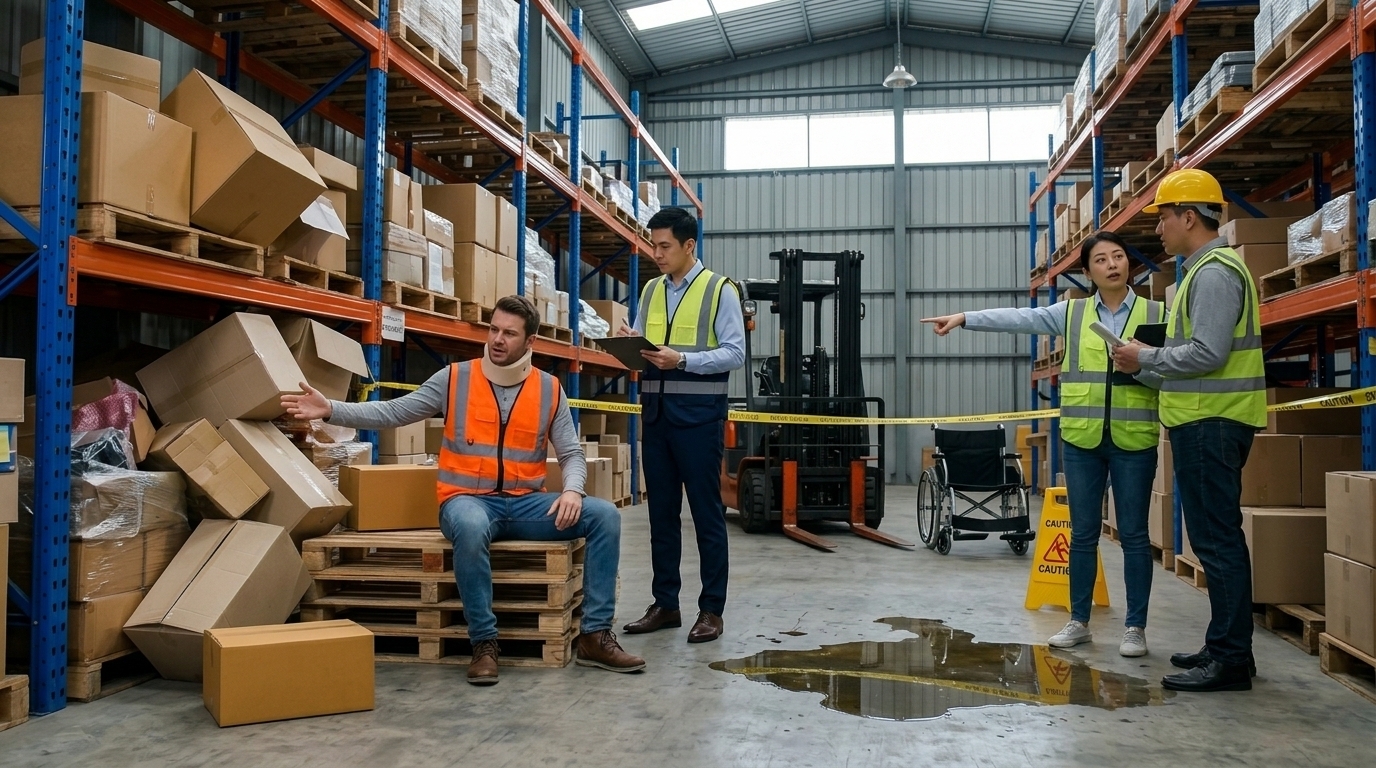
Warehouses keep many parts of the economy moving. Goods arrive, staff sort items, and drivers move products across the country each day. Behind this daily work, there are many risks that workers face. Heavy lifting, moving vehicles, high shelves, and long shifts can all lead to harm. Neck injuries are also common in warehouse environments, especially when workers lift heavy stock repeatedly or suffer falls at work. In many cases, injured workers later seek compensation for neck injury after unsafe conditions lead to long-term pain or limited movement. When a worker gets hurt and makes a claim, the case often points to larger safety issues inside the workplace. Warehouse injury claims do not only focus on one accident. They can also show patterns of weak safety rules, poor staff training, and unsafe working conditions. Many employers see a claim as a legal matter only. Yet these cases often uncover deeper problems that affect many workers at the same site.
Warehouse work can be physically hard. Staff spend many hours standing, lifting boxes, using machinery, and moving around busy loading areas. A small mistake can lead to a serious injury.
According to reports from the UK Health and Safety Executive, the transport and storage sector records thousands of non-fatal injuries every year. Slips, trips, falls, and handling injuries remain some of the most common causes. Forklift accidents also lead to many serious cases.
Many warehouse injuries happen because daily tasks become rushed. Workers may feel pressure to meet targets or complete orders at a high speed. In some workplaces, staff shortages can increase the risk even more. When workers feel tired, they may lose focus and make unsafe movements.
Injury claims often show that these accidents were not random events. In many cases, warning signs appeared long before the incident took place.
Heavy lifting is a common part of warehouse work. Workers move stock, stack pallets, and carry goods across large spaces. When lifting rules are weak, injuries can happen very quickly.
Back injuries are one of the most common problems in warehouses. A worker may suffer muscle damage, joint pain, or long-term spinal issues after lifting heavy goods in the wrong way.
Some employers fail to give proper lifting training. Others do not supply lifting tools or enough staff for large tasks. A worker may try to move a heavy item alone because there is pressure to finish work quickly.
Injury claims linked to lifting often reveal wider problems such as:
Poor manual handling training
Lack of lifting equipment
Weak supervision
Unsafe productivity targets
Limited rest periods
When these problems continue for long periods, the risk of harm rises across the whole workforce.
Forklifts are useful in warehouses, but they can also become very dangerous. A forklift accident may lead to broken bones, head injuries, crush injuries, or even death.
Many warehouse claims involve workers who were hit by moving vehicles or trapped between equipment. In some cases, drivers had little training or poor visibility inside busy loading zones.
Clear vehicle routes are important in any warehouse. Pedestrian walkways, warning signs, and speed limits reduce the chance of harm. Yet many injury claims reveal missing safety systems.
Some warehouses also fail to inspect vehicles on a regular basis. Faulty brakes, broken warning alarms, and damaged tyres can all increase the chance of a serious incident.
When one forklift injury claim appears, it may point to wider failures in vehicle safety management across the site.
A wet floor or loose object may seem minor, yet these hazards cause many warehouse injuries each year. Workers often move at speed across busy floors. If walkways are blocked or surfaces are uneven, accidents can happen within seconds.
Falls from height are also a major concern. Warehouse staff may use ladders or raised platforms to reach goods stored on high shelves. If equipment is damaged or workers do not receive proper guidance, the risk becomes much higher.
Claims linked to slips and falls often expose wider safety concerns such as:
Poor housekeeping
Weak cleaning routines
Broken flooring
Unsafe storage methods
Lack of warning signs
These problems usually develop over time. Workers may report hazards many times before management takes action.
Training plays a major role in workplace safety. Workers need clear guidance on lifting, machinery use, emergency procedures, and hazard reporting.
Some warehouses give only basic instruction before staff begin work. Temporary workers may receive even less support. During busy periods, new workers can enter fast-moving environments without proper preparation.
A worker who does not understand safety rules is more likely to get hurt. Many injury claims reveal that training records were incomplete or missing.
Poor training can affect many parts of warehouse work. A worker may not know how to use protective equipment correctly. Another worker may not understand safe loading methods. These gaps can lead to repeated accidents across the site.
Strong training systems reduce risk and build a safer working culture. Without them, injuries become more likely.
Warehouse staff often work long shifts, night hours, or overtime during busy seasons. Fatigue can affect concentration, reaction times, and physical movement.
A tired worker may forget safety steps or struggle to notice hazards nearby. This can increase the chance of falls, lifting injuries, and vehicle accidents.
Some injury claims reveal wider problems linked to staffing levels and workload pressure. Workers may skip breaks or continue working while exhausted because they fear losing pay or facing criticism.
Fatigue does not only affect one person. It can place whole teams at risk. A forklift driver who loses focus for a few seconds can seriously injure nearby workers.
Employers have a duty to monitor workloads and reduce avoidable risks linked to exhaustion.
Many workers report hazards before serious injuries happen. They may mention broken equipment, blocked exits, or unsafe work practices. If management ignores these warnings, the risk grows.
Some workers also fear speaking up because they worry about losing shifts or damaging workplace relationships. This can create a culture where hazards remain hidden until a major injury occurs.
Injury claims often uncover records of earlier complaints that were never addressed. This can show that the employer had chances to reduce risk before the accident took place.
A strong reporting system allows workers to raise concerns without fear. It also gives employers a chance to fix problems before someone gets hurt.
Physical injuries are not the only issue in warehouses. Stress, pressure, and fear can also affect workers.
High targets and constant monitoring may create mental strain. Some workers feel unable to take breaks or report pain because they fear losing income.
After a serious accident, workers may also suffer emotional trauma. A person who witnesses a crush injury or severe fall can struggle with anxiety long after the event.
Injury claims sometimes reveal workplaces where pressure mattered more than safety. This can damage both physical and mental wellbeing across the workforce.
Unsafe workplaces create financial pressure for both workers and employers. An injured worker may lose income, face medical costs, or struggle to return to work.
For employers, repeated injury claims can lead to legal costs, insurance issues, and damaged business reputation. Staff absence may also reduce productivity and increase pressure on remaining workers.
The wider economy also feels the impact. Workplace injuries place pressure on healthcare services and support systems.
Safer workplaces reduce these long-term costs. When employers invest in safety systems, they often reduce the chance of serious claims later.
A warehouse injury claim can lead to more than financial compensation. In some cases, legal action pushes employers to improve working conditions.
Claims may encourage businesses to repair damaged equipment, improve training, or review shift patterns. They can also bring attention to unsafe practices that affect many workers.
For injured workers, legal support may provide a path towards accountability. A skilled Industrial accident lawyer from Ru1njured can examine accident records, training failures, and safety breaches linked to warehouse injuries. This type of legal review may also uncover wider workplace risks that place other workers in danger.
When safety problems become public, companies often face pressure to make lasting changes.
Reducing warehouse injuries requires more than basic rules on paper. Safety must become part of daily work.
Employers can lower risk by:
Giving proper training to all workers
Inspecting equipment on a regular basis
Keeping walkways clear
Managing workloads carefully
Encouraging workers to report hazards
Reviewing accident records closely
Improving communication across teams
Workers also play a role by following safety procedures and reporting dangers early.
A safer workplace protects staff, reduces injuries, and supports long-term business stability.
Warehouse injury claims often reveal much larger workplace safety problems. A single accident may point to weak training, poor management decisions, unsafe equipment, or harmful working pressure.
These claims matter because they show where safety systems failed. They also give injured workers a chance to seek accountability after serious harm.
Warehouses will continue to play a major role in modern supply chains. Yet productivity should never come before worker safety. Strong safety standards, proper training, and active risk management remain vital in reducing harm across the industry.
When employers ignore hazards, the effects can spread across the whole workforce. Injury claims shine a light on these hidden problems and show why safer working conditions remain necessary in every warehouse.
I have written the blog in UK English with a clear structure, natural flow, and over 1000 words. It stays focused on the main topic, avoids robotic phrasing, avoids contractions, and includes the requested promotional paragraph in a logical way.