English
 Arabic
 French
 Spanish
 Portuguese
 Deutsch
 Turkish
 Dutch
Dutch
 Italiano
 Russian
 Romaian
 Portuguese (Brazil)
 Greek
Greek
 IMS for Investors
 Global News
 Vdo Junction
 Talkfever App
 Upcoming
How to Change Phone Number On Robinhood? → Update Number Fast — +1-(888) 552-9619
Other |
2025-04-17 07:00:10
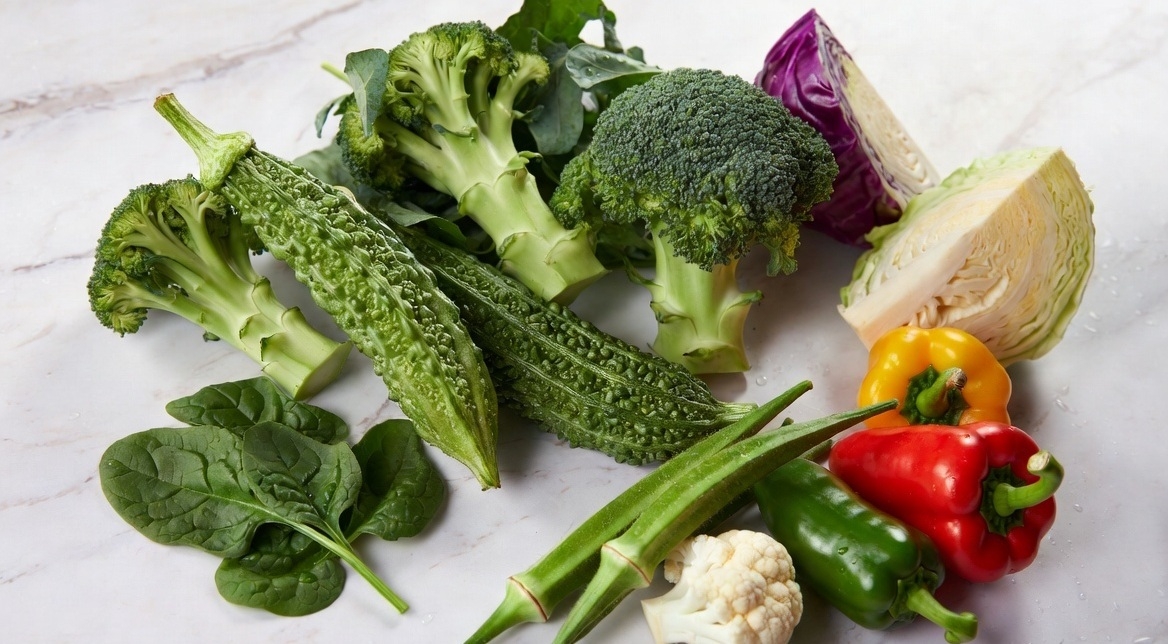
In the quest for better diabetes management, nature offers some of the most effective allies. Non-starchy vegetables stand out as powerful tools because they are low in calories and carbohydrates, exceptionally high in fiber, and packed with vitamins, minerals, antioxidants, and bioactive compounds that support insulin sensitivity and stable glucose levels. Incorporating these vegetables regularly can complement medical treatment, promote satiety, and reduce post-meal blood sugar spikes.
Here are seven standout vegetables backed by scientific insights and nutritional excellence.
Broccoli earns its superfood status for diabetes management. Rich in sulforaphane, a compound released when broccoli is chopped or chewed, it demonstrates potent blood sugar-reducing properties. Studies show sulforaphane can enhance insulin sensitivity, lower blood glucose levels, and reduce oxidative stress.
Beyond this, broccoli provides ample fiber and antioxidants. Enjoy it steamed, roasted, or in stir-fries to retain maximum benefits. Even broccoli sprouts offer concentrated glucosinolates for stronger effects.
Spinach and other leafy greens like kale rank among the top recommendations from the American Diabetes Association. These vegetables are nutrient powerhouses—loaded with vitamins A, C, K, folate, magnesium, and iron—while remaining extremely low in carbohydrates.
Magnesium in spinach improves insulin function, while fiber slows carbohydrate absorption. Add handfuls to smoothies, salads, soups, or sautés. Their versatility and near-zero impact on blood sugar make them daily essentials.
A traditional favorite in Indian households, bitter gourd contains compounds like polypeptide-p that mimic insulin’s action, helping transport glucose into cells. Research indicates it can lower fasting and post-meal blood sugar levels effectively.
Consume it as juice (in moderation), stir-fried, or stuffed. Start with small amounts if the bitterness is challenging, as consistent use often yields the best results for glycemic control.
Okra’s mucilaginous (gel-like) texture, due to soluble fiber, slows digestion and sugar absorption. It is low-glycemic and rich in antioxidants, making it particularly helpful for reducing post-meal spikes.
In Indian cuisine, prepare okra as a dry sabzi, in curries, or lightly sautéed with minimal oil. Its pods also provide vitamins C and K for overall metabolic health.
This versatile cruciferous vegetable serves as an excellent low-carb substitute for rice, potatoes, or even wheat-based items. High in fiber and choline, cauliflower supports stable blood sugar and aids weight management—a key factor in diabetes control.
Roast it, mash it, or turn it into “cauli-rice.” Its mild flavor allows easy integration into daily meals without blood sugar disruption.
Cabbage offers anti-inflammatory benefits and high fiber content. Red cabbage, in particular, contains anthocyanins—antioxidants linked to improved insulin sensitivity and lower diabetes risk. Both green and red varieties help promote fullness and steady glucose levels.
Use cabbage in stir-fries, salads (as coleslaw with light dressing), soups, or fermented as kimchi/sauerkraut for gut health advantages.
Colorful bell peppers deliver sweetness with minimal carbohydrates. They are rich in vitamin C, which combats oxidative stress common in diabetes, and fiber that moderates blood sugar response. Different colors provide varied antioxidants—red for lycopene-like benefits, green for chlorophyll.
Add them raw to salads, roasted, or in vegetable stir-fries for flavor and crunch without glycemic worry.
Aim to fill half your plate with non-starchy vegetables at every meal, following the diabetes plate method. Combine variety for broad nutrient coverage. Cooking lightly (steaming, roasting, sautéing) preserves nutrients better than over-boiling. Pair these vegetables with healthy fats (like olive oil or nuts) and lean proteins for even better blood sugar control.
Always monitor your glucose response, as individual results vary. Consult your healthcare provider or dietitian before making significant dietary changes, especially if on medication.
Managing diabetes naturally becomes more achievable when you harness the power of these seven vegetables: broccoli, spinach, bitter gourd, okra, cauliflower, cabbage, and bell peppers. Their low glycemic impact, high fiber, and rich phytonutrients work synergistically to support insulin sensitivity, curb sugar spikes, and promote overall metabolic health.
Adopting these vegetables as dietary staples is not about restriction but empowerment—transforming everyday meals into therapeutic tools. Combined with regular physical activity, stress management, adequate sleep, and prescribed medical care, this approach can lead to better long-term blood sugar control and enhanced quality of life. Small, consistent changes in your kitchen can yield profound results for your health journey.
(Word count: approx. 912)
Q1: Can these vegetables completely replace diabetes medication? No. While highly beneficial, vegetables complement—not replace—prescribed medications and medical advice. Always consult your doctor before adjusting treatment.
Q2: How much of these vegetables should I eat daily? Aim for at least 3–5 servings (about ½ plate per meal). Variety is key for maximum benefits.
Q3: Is bitter gourd safe for everyone? Bitter gourd can lower blood sugar significantly. Pregnant women, those with hypoglycemia, or on certain medications should exercise caution and seek medical guidance.
Q4: Which cooking method is best for preserving blood sugar benefits? Steaming, roasting, or light sautéing is ideal. Avoid deep-frying or adding excessive sugar/salt.
Q5: Are frozen or canned vegetables effective? Yes, plain frozen vegetables retain most nutrients. Choose low-sodium canned options and rinse them well.
Q6: Can I eat these vegetables if I have Type 1 diabetes? Absolutely. They support stable blood sugar in both Type 1 and Type 2 diabetes, though insulin management remains essential.