


 Creator GTM Award
 Equity & Investors
 Global News
 Vdo Junction
 Talkfever App
 Upcoming
Cauliflower Isn’t Always Safe: 4 Risks Of Overeating This Superfood
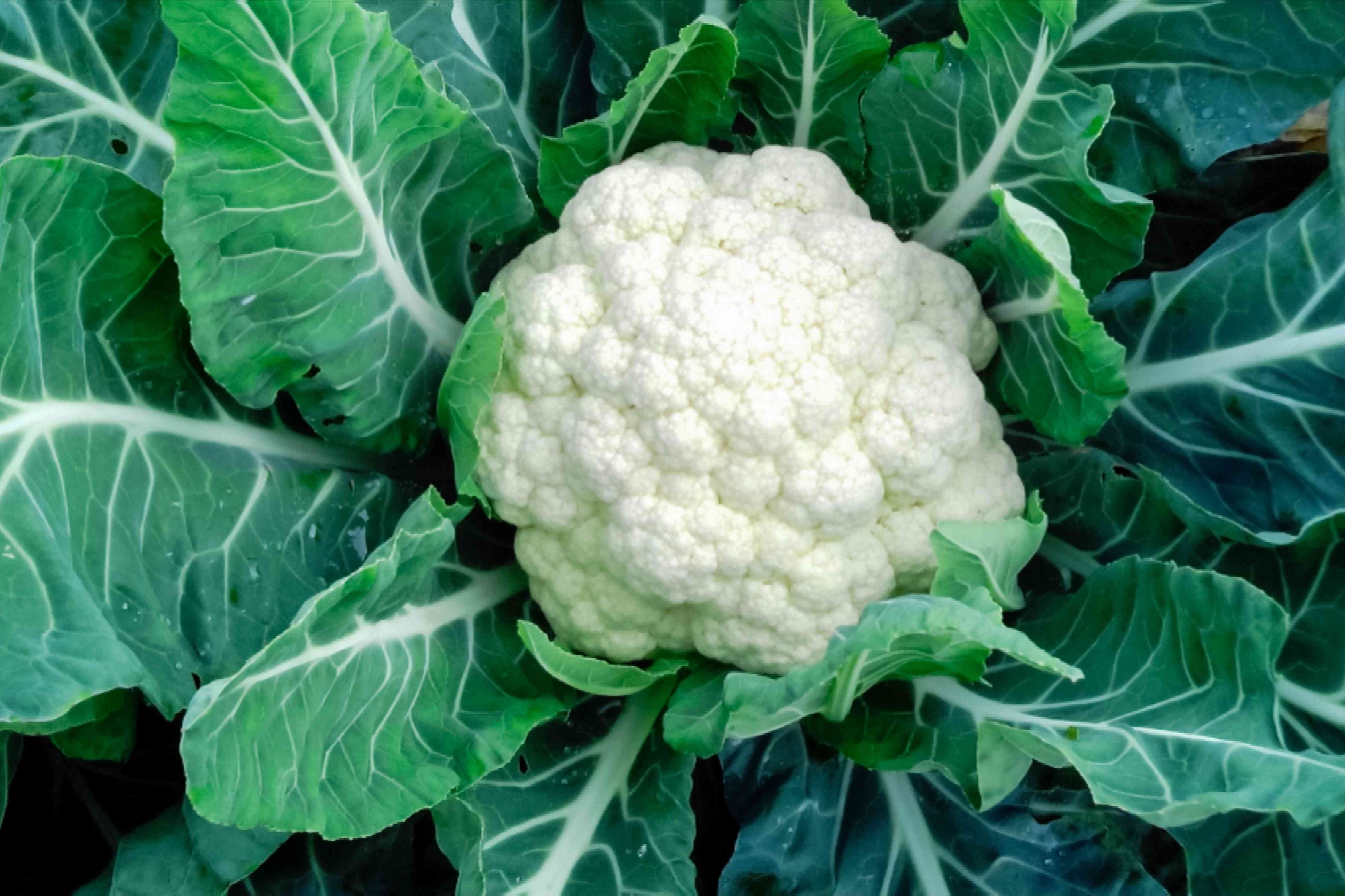
Cauliflower has earned its place among today’s most celebrated “superfoods.” Low in calories, rich in fiber, and packed with essential vitamins, it is often praised as a versatile and healthy addition to any diet. From cauliflower rice to keto-friendly pizza crusts, this cruciferous vegetable has become a staple for health-conscious individuals.
However, like many good things, moderation is key. While cauliflower offers numerous health benefits, excessive consumption can lead to unintended side effects. Understanding these risks can help you enjoy its advantages without compromising your well-being.
1. Digestive Discomfort and Bloating
One of the most common side effects of overeating cauliflower is digestive distress. Cauliflower contains complex carbohydrates known as raffinose, which the human digestive system cannot fully break down.
As a result, these compounds travel to the large intestine, where they are fermented by bacteria. This process produces gas, leading to:
- Bloating
- Flatulence
- Abdominal discomfort
For individuals with sensitive digestive systems or conditions like irritable bowel syndrome (IBS), excessive cauliflower intake can significantly worsen symptoms. Even for otherwise healthy individuals, large portions can cause noticeable discomfort.
Tip: Lightly cooking cauliflower instead of eating it raw can help reduce these effects, as cooking partially breaks down the complex sugars.
2. Potential Thyroid Function Interference
Cauliflower belongs to the cruciferous vegetable family, which also includes broccoli, cabbage, and kale. These vegetables contain compounds called goitrogens, which can interfere with iodine uptake in the thyroid gland.
In moderate amounts, this is generally not a concern for most people. However, excessive consumption—especially in raw form—may contribute to thyroid dysfunction over time, particularly in individuals who already have:
- Iodine deficiency
- Hypothyroidism
Goitrogens can disrupt the production of thyroid hormones, potentially affecting metabolism, energy levels, and overall hormonal balance.
Tip: Cooking cauliflower significantly reduces its goitrogenic properties, making it safer for regular consumption.
3. Risk of Kidney Stones in Susceptible Individuals
Cauliflower contains purines, naturally occurring compounds that break down into uric acid in the body. Elevated uric acid levels can increase the risk of:
- Kidney stones
- Gout flare-ups
While cauliflower is not as high in purines as certain meats or seafood, consuming it in excessive amounts may still contribute to problems in individuals who are already prone to these conditions.
Additionally, cauliflower also contains oxalates in small quantities, which can further increase the risk of kidney stone formation when consumed in large amounts.
Tip: If you have a history of kidney stones or gout, it’s best to monitor your intake and consult a healthcare professional for personalized dietary guidance.
4. Blood-Thinning Interactions Due to Vitamin K
Cauliflower is a good source of vitamin K, a nutrient that plays a crucial role in blood clotting. While this is beneficial for most people, it can pose challenges for individuals taking blood-thinning medications.
A sudden increase in vitamin K intake can interfere with medications such as anticoagulants, reducing their effectiveness and potentially increasing the risk of clot formation.
This doesn’t mean cauliflower should be avoided entirely, but rather that consistency is key. Fluctuating intake levels can disrupt the balance required for medication to work properly.
Tip: If you are on blood-thinning medication, maintain a consistent intake of vitamin K-rich foods and consult your doctor before making dietary changes.
Finding the Right Balance
Cauliflower remains a highly nutritious vegetable that can support overall health when consumed appropriately. It provides:
- Vitamin C for immune support
- Fiber for digestive health
- Antioxidants that help combat inflammation
The key is not to eliminate cauliflower from your diet, but to avoid over-reliance on it as a “miracle food.” A balanced diet that includes a variety of vegetables ensures you receive a broader spectrum of nutrients while minimizing potential risks.
Conclusion
Cauliflower’s reputation as a superfood is well-deserved, but it is not without its limitations. Overeating this otherwise healthy vegetable can lead to digestive discomfort, interfere with thyroid function, contribute to kidney-related issues, and affect blood-thinning medications.
The takeaway is simple: even the healthiest foods should be consumed in moderation. By incorporating cauliflower as part of a diverse and balanced diet—and preparing it properly—you can enjoy its benefits without experiencing unwanted side effects.
Frequently Asked Questions (FAQs)
1. How much cauliflower is safe to eat daily?
For most individuals, consuming 1 to 1.5 cups of cauliflower per day is considered safe. However, tolerance may vary depending on your digestive health and medical conditions.
2. Is raw cauliflower worse than cooked cauliflower?
Raw cauliflower contains higher levels of compounds that can cause bloating and interfere with thyroid function. Cooking helps reduce these compounds, making it easier to digest and safer in larger quantities.
3. Can cauliflower cause gas in everyone?
Not necessarily. While many people experience mild gas, the severity varies. Individuals with sensitive digestion are more likely to notice discomfort.
4. Should people with thyroid issues avoid cauliflower completely?
No, but they should consume it in moderation and preferably cooked. Those with thyroid conditions should consult a healthcare provider for personalized advice.
5. Is cauliflower bad for weight loss?
Not at all. Cauliflower is low in calories and high in fiber, making it an excellent choice for weight management—provided it’s not consumed excessively.

- Art & Craft
- Causes & Effect
- Dance & Music
- Health & Fitness
- Food & Wellness
- Historic Places
- Homes & Gardening
- Literature & Knowledge
- Science and Technology
- Social Networking
- Social Commerce
- Party & Celebration
- Religion & Festivals
- Shopping & Vendors
- Sports & Games
- Film & Theater
- Digital Creators & Community
- Influencer CCC
- Corporate & Collaboration
- Startup & Scope
- Investment & Growth
- VC & Angel Investors
- Agriculture & farmers
- Nature & Universe
- News & Media
- Real Estate & Property
- Artificial Intellegence
- Political Coverage
- Winners & Loosers
 Deutsch
 English
 Arabic
 Hindi
Hindi
 French
 Spanish
 Portuguese
 Turkish
 Dutch
Dutch
 Italiano
 Russian
 Romaian
 Portuguese (Brazil)
 Greek
Greek
