English
 Arabic
 French
 Spanish
 Portuguese
 Deutsch
 Turkish
 Dutch
Dutch
 Italiano
 Russian
 Romaian
 Portuguese (Brazil)
 Greek
Greek
Plastic Liner Market Forecast 2034: Sustainability and Packaging Innovation Fuel Expansion
Other |
2026-07-21 10:44:53
 Social Networth OS
 Creator Commerce
 Launch Startup
 Global News
 Creator Award
 Talkfever App
Afiseaza-i pe toti
Talkfever App
Afiseaza-i pe toti

Upgrade to Pro
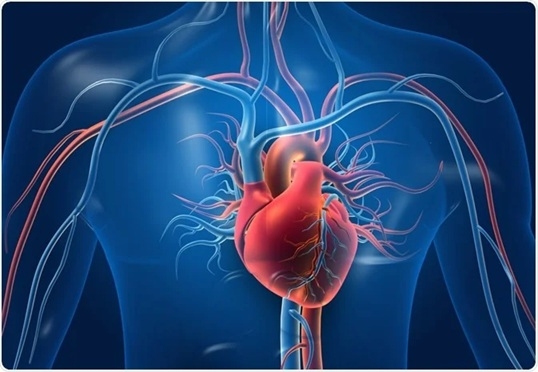
Modern health research increasingly shows that metabolism and cardiovascular health are deeply interconnected. The metabolic system governs how efficiently the body converts food into energy, regulates hormones, controls inflammation, and maintains cellular health. When metabolism functions optimally, the heart receives consistent energy, blood vessels remain flexible, and the body can effectively repair cellular damage.
Diet plays one of the most powerful roles in achieving metabolic balance. Certain foods contain bioactive compounds, antioxidants, healthy fats, and essential nutrients that improve metabolic pathways while simultaneously protecting the heart. Scientific evidence consistently shows that diets rich in plant-based nutrients, omega-3 fats, and fiber significantly reduce the risk of heart disease and premature death.
This article explores six powerful foods that enhance metabolic efficiency, strengthen cardiovascular function, and contribute to longer lifespan.
Fatty fish such as salmon, sardines, mackerel, and anchovies are widely considered among the most heart-protective foods available.
Fatty fish contain omega-3 fatty acids (EPA and DHA), which regulate metabolic processes and reduce inflammation throughout the body. These fatty acids help stabilize cell membranes, support mitochondrial energy production, and improve lipid metabolism.
Omega-3 fatty acids help:
Lower triglycerides
Reduce inflammation in blood vessels
Improve arterial flexibility
Support healthy heart rhythm
Studies indicate that omega-3 intake is associated with lower cardiovascular risk and improved cellular protection against stress.
Enhances brain health and cognitive longevity
Supports hormone regulation
Improves energy metabolism
Regular consumption of fatty fish (two servings per week) can significantly support both metabolic stability and heart health.
Berries such as blueberries, strawberries, and raspberries are small fruits with remarkable metabolic and cardiovascular benefits.
Berries contain anthocyanins and polyphenols, compounds that combat oxidative stress and protect cells from damage.
These compounds improve endothelial function, which allows blood vessels to relax and regulate blood flow effectively. Research shows berry consumption is linked to reduced risk of heart disease and improved cholesterol levels.
Stabilizes blood sugar levels
Supports mitochondrial health
Reduces systemic inflammation
Because metabolic disorders often involve oxidative stress, berries help protect metabolic pathways while strengthening cardiovascular resilience.
Leafy greens such as spinach, kale, and Swiss chard are nutrient-dense foods that support metabolic and cardiovascular health.
Leafy greens are rich in:
Vitamin K
Folate
Potassium
Dietary nitrates
These nutrients contribute to improved blood circulation and cellular metabolism.
Dietary nitrates convert into nitric oxide, a molecule that relaxes blood vessels and improves circulation. This process enhances oxygen delivery to tissues and reduces blood pressure.
Supports detoxification pathways
Enhances mitochondrial efficiency
Provides essential micronutrients for cellular repair
People who regularly consume leafy greens often show lower risk of cardiovascular disease and age-related metabolic decline.
Almonds, walnuts, flaxseeds, and chia seeds provide a dense concentration of healthy fats, fiber, protein, and antioxidants.
These foods contain plant-based omega-3 fatty acids, vitamin E, magnesium, and fiber, all of which support metabolic regulation.
Studies show that frequent nut consumption is linked to significant reductions in coronary heart disease risk and improved cholesterol levels.
Improves insulin sensitivity
Reduces LDL cholesterol
Supports gut microbiome health
Nuts and seeds also help maintain stable blood sugar levels, preventing metabolic spikes that can damage blood vessels.
Whole grains such as oats, barley, quinoa, and brown rice are critical for long-term metabolic health.
Unlike refined grains, whole grains contain fiber, vitamins, minerals, and slow-digesting carbohydrates that provide sustained energy.
The soluble fiber found in grains like oats helps reduce LDL cholesterol and supports healthy blood pressure.
Supports digestive health
Improves insulin regulation
Maintains stable metabolic energy
Consistent consumption of whole grains is associated with lower risk of heart disease and premature mortality.
Olive oil is a cornerstone of the Mediterranean diet, one of the most widely studied dietary patterns for longevity.
Extra virgin olive oil contains polyphenols and monounsaturated fats, which protect cells from oxidative damage and support lipid metabolism.
Research shows olive oil’s polyphenols possess anti-inflammatory and anti-atherosclerotic properties, helping reduce the risk of cardiovascular disease.
Improves cholesterol balance
Supports healthy blood vessels
Enhances nutrient absorption
Replacing processed fats with olive oil significantly improves metabolic health and cardiovascular outcomes.
Metabolic mastery is not achieved through extreme diets or quick fixes—it is built through consistent consumption of nutrient-dense foods that nourish the body at a cellular level. The six foods discussed in this article—fatty fish, berries, leafy greens, nuts and seeds, whole grains, and olive oil—work synergistically to support metabolic balance and cardiovascular resilience.
These foods help regulate cholesterol, reduce inflammation, stabilize blood sugar, and protect cells from oxidative stress. Over time, these benefits translate into stronger heart function, improved metabolic efficiency, and increased longevity.
Adopting a diet rich in these natural foods is one of the most powerful strategies for achieving lifelong health.
Fatty fish rich in omega-3 fatty acids are among the most beneficial foods for heart health because they reduce inflammation, improve cholesterol levels, and support healthy blood circulation.
Yes. Diets rich in fruits, vegetables, healthy fats, and whole grains are associated with lower risks of chronic diseases and reduced premature mortality.
Ideally:
Fatty fish: 2 times per week
Leafy greens and berries: daily
Nuts and seeds: small handful daily
Whole grains and olive oil: regular components of meals
Whole foods are generally more effective because they contain complex nutrient combinations that supplements cannot fully replicate.
Highly processed foods, refined sugars, trans fats, and excessive sodium should be minimized as they contribute to metabolic dysfunction and cardiovascular disease.