English
 Arabic
 French
 Spanish
 Portuguese
 Deutsch
 Turkish
 Dutch
Dutch
 Italiano
 Russian
 Romaian
 Portuguese (Brazil)
 Greek
Greek
 IMS for Investors
 Global News
 Vdo Junction
 Talkfever App
 Upcoming
High-Frequency Switching and Energy-Efficient Power Conversion Propel Market Development
Music |
2026-05-26 10:04:50
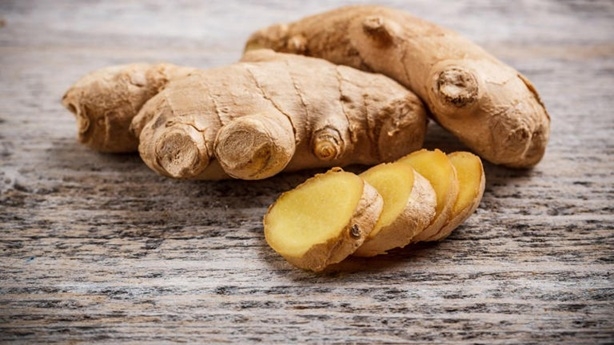
Ginger is one of the most widely used spices in the world. Known scientifically as Zingiber officinale, this aromatic root has been valued for centuries for its culinary, medicinal, and cultural significance. From traditional herbal remedies to modern cuisine, ginger plays an important role in many societies. Today, it is cultivated across tropical and subtropical regions, but one country stands far ahead in global production—India.
This article explores the largest ginger-producing country in the world, why India dominates the industry, the key regions where ginger is grown, production figures, and the many uses of this powerful spice.
The world produces millions of tonnes of ginger every year, with Asia being the primary production hub. According to agricultural data, global ginger production exceeds 4.8 million tonnes annually, and India alone accounts for nearly 45% of the total production.
India produces more ginger than any other country, with an annual output of about 2.2 million tonnes.
The top ginger-producing countries in the world include:
India – over 2.2 million tonnes
Nigeria – around 768,000 tonnes
China – about 660,000 tonnes
Nepal
Indonesia
These countries dominate global ginger cultivation due to their suitable climates and long agricultural traditions. However, India stands out not only in production volume but also in the diversity of ginger varieties and extensive domestic consumption.
Several factors explain why India leads global ginger production.
Ginger thrives in warm and humid environments with well-drained soil and moderate rainfall. Many regions in India offer ideal tropical and subtropical conditions that support large-scale ginger cultivation.
The crop grows best in temperatures between 20°C and 30°C, conditions commonly found across Indian agricultural zones.
India has a vast agricultural landscape suitable for cultivating a wide variety of spices. Ginger is grown across multiple states, ensuring continuous production throughout the year.
India has been a global hub for spice cultivation and trade for thousands of years. Ginger was among the earliest spices cultivated and exported from southwestern India to other parts of the world.
The country’s deep agricultural knowledge and farming traditions contribute significantly to its dominance in ginger production.
Ginger is a staple ingredient in Indian cooking. From curries and teas to pickles and herbal remedies, the spice is used daily in households across the country. This strong domestic demand encourages farmers to cultivate ginger extensively.
India cultivates numerous ginger varieties such as Maran, Wayanad, Nadia, Ernad, and Rio de Janeiro types. These varieties are adapted to different soil and climatic conditions, allowing production across multiple regions.
Ginger cultivation is spread across several states in India, especially in regions with high rainfall and fertile soil.
The northeastern states are among the most important ginger-producing areas.
Key states include:
Assam
Meghalaya
Arunachal Pradesh
Mizoram
These regions have rich soil, heavy rainfall, and favorable temperatures that make them ideal for ginger farming.
Southern states also contribute significantly to ginger production.
Major producers include:
Karnataka
Kerala
Tamil Nadu
Kerala, historically known as the “Spice Garden of India,” has been a major center of spice cultivation for centuries.
Eastern states such as Odisha also contribute significantly to the country’s ginger output.
Even western regions like Gujarat cultivate ginger on a smaller scale, showing the crop’s adaptability to different environments.
Global ginger production has steadily increased over the past few decades as demand for spices and herbal products grows.
Key statistics include:
Global production: about 4.9 million tonnes annually.
India’s production: around 2.2–2.3 million tonnes per year.
India contributes approximately 45% of the world’s total ginger output.
Other major producers, including Nigeria and China, together produce less than India’s output, highlighting India’s clear leadership in the global ginger market.
Although India produces the most ginger, some countries such as China are larger exporters because of advanced processing and export infrastructure.
Ginger is one of the most versatile spices in the world. Its uses extend far beyond cooking.
Ginger is widely used in cuisines across the globe.
Common culinary applications include:
Flavoring curries, soups, and sauces
Ginger tea and herbal drinks
Baking products such as gingerbread and cookies
Pickles and chutneys
In India, ginger is an essential ingredient in masala chai, vegetable dishes, and spice blends.
Ginger has been used in traditional medicine for thousands of years.
It is known for properties such as:
Anti-inflammatory effects
Digestive support
Relief from nausea and motion sickness
Immune system support
Many herbal medicines and natural health supplements contain ginger extracts.
Ginger is processed into various products, including:
Dried ginger powder
Ginger oil and extracts
Ginger candies and syrups
Ginger paste and sauces
These processed products are widely exported and used by the global food industry.
Ginger’s antioxidant and antimicrobial properties make it useful in cosmetics and skincare products. It is also used in pharmaceutical preparations and herbal remedies.
Ginger is more than just a spice—it is a globally valued agricultural commodity with immense cultural, culinary, and medicinal importance. Among all ginger-producing nations, India stands as the undisputed global leader, producing more than two million tonnes annually and contributing nearly half of the world’s supply.
This dominance is supported by favorable climatic conditions, vast agricultural land, centuries of spice cultivation traditions, and strong domestic demand. Regions across northeastern, southern, and eastern India continue to play a crucial role in sustaining the country’s leadership in ginger production.
As global interest in natural foods, herbal medicine, and healthy diets continues to grow, the demand for ginger is expected to rise. With its long-standing expertise and large-scale cultivation, India is likely to remain the world’s ginger powerhouse for many years to come.
India is the largest ginger producer globally, producing over 2.2 million tonnes annually.
India contributes about 45% of the world’s ginger production.
Nigeria ranks second and China ranks third in global ginger production.
Major ginger-producing states include Assam, Meghalaya, Karnataka, Kerala, Odisha, and Arunachal Pradesh.
Ginger is widely used in cooking, traditional medicine, beverages, and food processing due to its flavor, aroma, and health benefits.