English
 Arabic
 French
 Spanish
 Portuguese
 Deutsch
 Turkish
 Dutch
Dutch
 Italiano
 Russian
 Romaian
 Portuguese (Brazil)
 Greek
Greek
 IMS for Investors
 Global News
 Vdo Junction
 Talkfever App
 Upcoming
Lotus365 APK Download | Lotus365 India | Lotus365 Withdrawal
Games |
2025-04-25 14:25:37
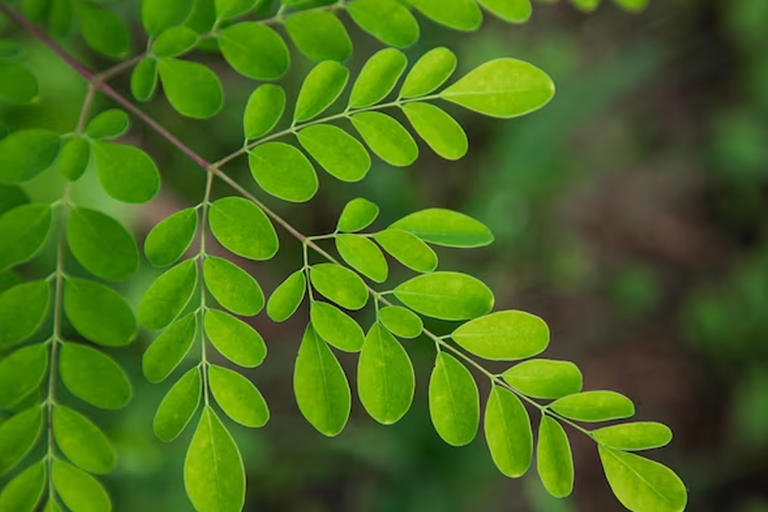
Moringa, often called the “miracle tree,” has gained global recognition for its exceptional nutritional value and medicinal properties. Scientifically known as Moringa oleifera, this fast-growing tree thrives in warm climates and is widely cultivated for its nutrient-rich leaves, pods, and seeds. From boosting immunity to improving overall wellness, moringa offers numerous health benefits.
However, to enjoy its full potential, proper plant care is essential. With the right conditions and maintenance, moringa can grow rapidly and produce abundant leaves and pods. In this article, we explore five easy moringa plant care tips, how to grow the plant successfully, its key benefits, and answers to common questions.
Growing moringa is relatively simple because the plant is highly adaptable and drought-resistant. It can be grown from seeds or cuttings and thrives in tropical and subtropical regions.
Start by selecting a sunny location, as moringa requires plenty of sunlight for optimal growth. Plant seeds directly in well-drained soil, ideally sandy or loamy soil with good aeration. The seeds should be planted about one inch deep and watered lightly until they germinate, which usually occurs within one to two weeks.
Once the seedlings emerge, ensure they receive consistent sunlight and moderate watering. Avoid overwatering, as moringa roots are sensitive to waterlogging. With proper care, the plant can grow several feet within a few months.
Moringa is a sun-loving plant that requires at least six to eight hours of direct sunlight daily. Adequate sunlight helps the plant grow stronger and produce healthy leaves and pods. When planting moringa in your garden, choose an open space where the tree can receive uninterrupted sunlight.
If you are growing moringa in pots, place the container in a sunny balcony, terrace, or near a window where it can receive sufficient light. Without proper sunlight, the plant may grow weak and produce fewer leaves.
One of the most important factors for healthy moringa growth is soil quality. Moringa prefers well-drained soil that allows water to pass through easily. Sandy or loamy soil works best because it prevents water from accumulating around the roots.
If your soil is heavy clay, consider mixing it with sand or compost to improve drainage. Poor drainage can lead to root rot, which may damage or kill the plant.
Although moringa is drought-tolerant, young plants require consistent watering during their early growth stage. Water the plant two to three times a week depending on the climate and soil conditions.
Once the plant becomes established, it requires less frequent watering. Overwatering should be avoided, as moringa roots are susceptible to fungal diseases caused by excessive moisture.
Pruning is essential for maintaining a healthy moringa tree. Regular trimming encourages the plant to grow bushier and produce more leaves. If left unpruned, moringa can grow very tall with fewer branches.
To prune effectively, cut the top portion of the plant once it reaches about two to three feet in height. This stimulates side branching and promotes a fuller plant structure. Removing damaged or weak branches also helps the plant direct energy toward healthy growth.
While moringa is relatively resistant to pests and diseases, it may occasionally face issues such as aphids, caterpillars, or mites. Regularly inspect the leaves and stems for signs of infestation.
Using natural remedies like neem oil spray or mild organic pesticides can help keep pests under control. Additionally, protect young plants from strong winds and frost, as these conditions can damage tender branches.
Moringa is valued not only for its ease of cultivation but also for its remarkable health and environmental benefits.
Moringa leaves are packed with vitamins and minerals including vitamin A, vitamin C, calcium, potassium, and iron. These nutrients support overall health and help strengthen the immune system.
The plant contains powerful antioxidants that help protect the body from oxidative stress and inflammation. This may reduce the risk of chronic diseases.
Moringa leaves are rich in fiber, which aids digestion and promotes gut health. Regular consumption may help prevent digestive discomfort.
Because moringa grows quickly and requires minimal water, it is an environmentally friendly plant. It can thrive even in poor soil conditions, making it suitable for sustainable agriculture.
Almost every part of the moringa tree is useful. Leaves can be used in soups, salads, and teas, while pods are commonly used in cooking. Seeds may also be used for oil extraction or water purification.
Growing moringa successfully is easier than many gardeners expect. With adequate sunlight, well-drained soil, moderate watering, regular pruning, and basic pest protection, this resilient plant can thrive and provide numerous health benefits.
Whether grown in a backyard garden or a container on a balcony, moringa offers a sustainable and nutritious addition to any household. By following these five essential care tips, you can ensure strong growth and enjoy fresh moringa leaves and pods throughout the year.
Moringa is a fast-growing plant. Under ideal conditions, seedlings can reach several feet in height within three to four months.
Yes, moringa can grow well in large containers. Ensure the pot has proper drainage and place it in a sunny location.
Young plants should be watered two to three times a week. Mature plants require less frequent watering and can tolerate dry conditions.
Leaves can usually be harvested once the plant reaches about two to three feet in height. Regular harvesting also encourages new growth.
Yes, moringa is an excellent plant for beginner gardeners because it grows quickly, requires minimal maintenance, and adapts well to different environments. 🌿