English
 Arabic
 French
 Spanish
 Portuguese
 Deutsch
 Turkish
 Dutch
Dutch
 Italiano
 Russian
 Romaian
 Portuguese (Brazil)
 Greek
Greek
 IMS for Investors
 Global News
 Vdo Junction
 Talkfever App
 Upcoming
Get Guaranteed Love Problem Solution in Hyderabad – Expert Help 2025
Health |
2025-07-15 07:09:00
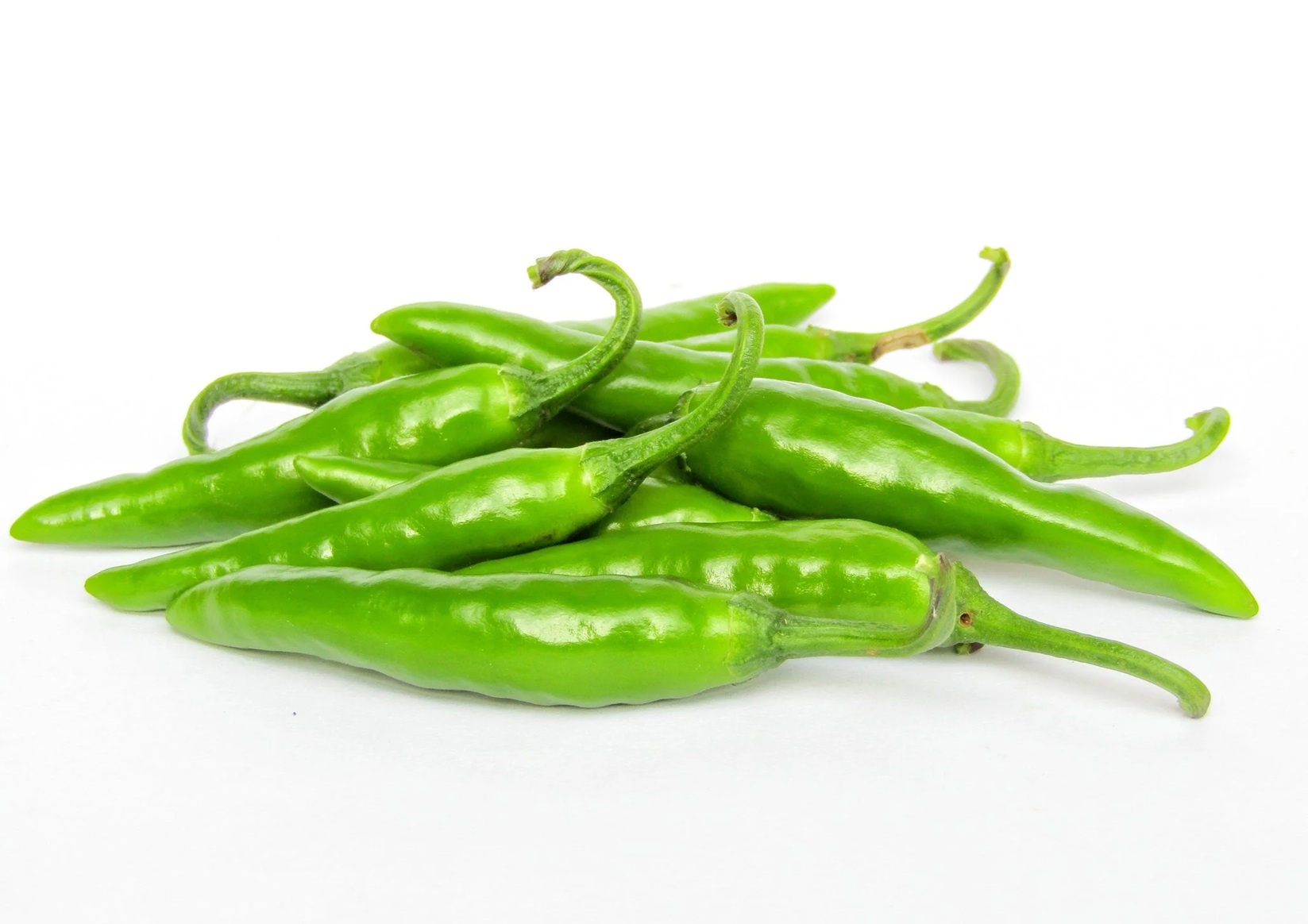
Green chillies are more than just a kitchen staple—they are a global agricultural commodity, a cultural symbol, and a key driver of spice trade economics. From street food to industrial food processing, green chillies influence cuisines and supply chains across continents. But one country clearly stands at the center of this fiery market.
India is widely recognized as the world’s largest producer of green chillies. According to international agricultural statistics and trade patterns, India contributes a dominant share of global chilli output (both green and dried varieties). This leadership is not accidental—it is the result of favorable climate, centuries of farming tradition, and an integrated domestic and export market.
Other major producers include China, Mexico, and Thailand, but none match India’s scale, diversity of chilli varieties, or its influence on global spice prices.
India’s tropical and subtropical climate allows green chillies to be cultivated across multiple seasons. Regions such as Andhra Pradesh, Telangana, Karnataka, and Maharashtra provide:
Warm temperatures
Moderate rainfall
Long growing cycles
These conditions enable high-yield production with relatively low crop risk.
Chilli cultivation has been part of Indian agriculture for over 400 years. Farmers have developed:
Region-specific seed varieties
Natural pest resistance methods
Efficient harvesting techniques
This generational expertise ensures consistent quality and volume.
India grows hundreds of chilli varieties—from mild green chillies used in everyday cooking to high-heat strains used for sauces and powders. This diversity allows Indian exporters to serve:
Household kitchens
Restaurants and food chains
Pharmaceutical and cosmetic industries
India itself is one of the world’s largest consumers of green chillies. This large internal demand:
Stabilizes farmer income
Encourages continuous cultivation
Creates surplus for export
India has built an organized spice export system, supported by agricultural boards and trade networks. Organizations such as the Food and Agriculture Organization recognize India as a major contributor to global spice supply chains.
Because India produces such a large share of global chillies, its harvest levels directly affect international prices.
A good monsoon season = stable global prices
Crop disease or drought = worldwide price rise
This makes India a price setter rather than a price taker in the chilli market.
Green chillies are essential to:
Asian cuisine
Latin American dishes
Processed foods (sauces, pickles, spice blends)
Food companies rely on Indian chilli supply for consistency in flavor and cost.
Chilli exports generate billions in foreign exchange and provide income to millions of farmers and traders. This creates:
Rural job security
Growth in cold storage and logistics
Export-based agribusiness opportunities
India does not just export raw green chillies. It also exports:
Chilli paste
Frozen green chillies
Dehydrated flakes
Oleoresin (used in food coloring and medicine)
This value addition increases profit margins and strengthens its global trade position.
Green chillies are used fresh in:
Curries and stir-fries
Salsas and chutneys
Pickles and relishes
They provide heat, aroma, and a sharp vegetal flavor that dried chillies cannot replicate.
Processed foods use green chilli in:
Ready-to-eat meals
Hot sauces
Snack seasonings
Frozen foods
Its uniform pungency and color make it ideal for mass production.
Green chillies contain:
Vitamin C
Capsaicin (anti-inflammatory and metabolism-boosting compound)
Antioxidants
They are used in traditional medicine and modern nutraceutical products.
Capsaicin extracted from chillies is used in:
Pain relief creams
Muscle sprays
Weight-loss supplements
This expands chilli demand beyond food markets.
Despite its dominance, the green chilli industry faces challenges:
Climate change affecting rainfall patterns
Price volatility hurting farmers
Storage losses due to perishability
However, future growth is expected through:
Hybrid seed development
Cold chain expansion
Digital trading platforms
Sustainable farming practices
With rising global demand for spicy food and natural ingredients, green chillies are likely to remain a strategic crop in world trade.
India’s position as the Green Chilli Capital of the World is built on climate advantage, agricultural tradition, production scale, and trade integration. Its leadership shapes global spice prices, supports international food industries, and sustains millions of farming households. Green chillies are no longer just a kitchen ingredient—they are a powerful agricultural commodity connecting farms to global markets. As demand for bold flavors and natural food additives continues to rise, the influence of green chilli production on global spice trade will only grow stronger.
1. Which country produces the most green chillies in the world?
India is the largest producer of green chillies globally, contributing a major share of total output.
2. Why is green chilli production important for global trade?
Green chillies are widely used in food processing, sauces, and spice blends, making them essential to international food supply chains.
3. Are green chillies different from red chillies?
Yes. Green chillies are unripe fruits, used fresh, while red chillies are mature and often dried for powders and flakes.
4. What industries use green chillies besides food?
They are used in pharmaceuticals, cosmetics, and nutraceuticals due to their capsaicin content and antioxidant properties.
5. Will green chilli demand increase in the future?
Yes. Growing popularity of spicy cuisines and natural food ingredients is expected to boost demand worldwide.