English
 Arabic
 French
 Spanish
 Portuguese
 Deutsch
 Turkish
 Dutch
Dutch
 Italiano
 Russian
 Romaian
 Portuguese (Brazil)
 Greek
Greek
Ceria Slurries Market 2026–2034: Semiconductor Expansion
Networking |
2026-05-25 09:11:31
 Social Networth OS
 Creator Commerce
 Launch Startup
 Global News
 Creator Award
 Talkfever App
Ver todos
Talkfever App
Ver todos

Atualizar para Plus
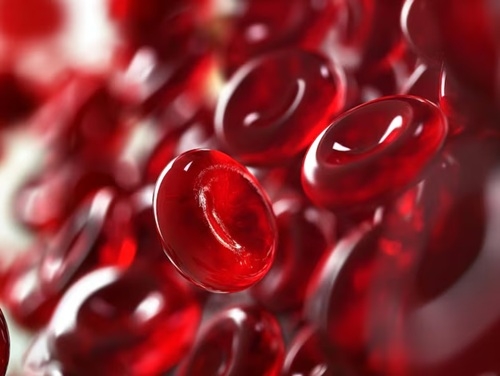
Haemoglobin is the vital protein in red blood cells responsible for transporting oxygen throughout the body. When haemoglobin levels fall, the body experiences fatigue, weakness, pale skin, shortness of breath, and poor concentration. Rather than relying only on supplements, nature offers a royal treasury of foods that help build healthy haemoglobin naturally. By choosing the right foods and consuming them correctly, you can support your blood health in a sustainable and nourishing way.
Haemoglobin production depends mainly on three nutrients: iron, vitamin B12, and folate (vitamin B9). Iron forms the core of haemoglobin, while vitamin B12 and folate assist in red blood cell formation. Vitamin C plays a supporting role by improving iron absorption in the gut.
There are two types of dietary iron:
Heme iron, found in animal foods, which is absorbed easily.
Non-heme iron, found in plant foods, which requires vitamin C for better absorption.
A balanced diet that combines iron-rich foods with vitamin C sources ensures optimal utilisation of nutrients and steady haemoglobin production.
Beetroot is rich in iron, folate, and antioxidants. It stimulates red blood cell production and improves blood flow. Its natural nitrates also support oxygen delivery to tissues, making it a powerful food for those with low haemoglobin.
Pomegranate is a royal fruit loaded with iron, vitamin C, and polyphenols. It improves iron absorption and enhances overall blood quality. Regular consumption supports circulation and helps prevent anaemia.
Spinach is one of the finest plant-based iron sources. It also contains folate and vitamin C, which together encourage red blood cell formation. Light cooking improves iron absorption by reducing oxalates.
Dates are energy-rich fruits packed with iron, copper, and vitamin B6. Copper assists in iron metabolism, while vitamin B6 supports haemoglobin synthesis. Dates provide a natural and gentle boost to blood health.
Lentils offer iron, protein, and folate in one royal package. They support bone marrow function and promote the formation of healthy red blood cells. Lentils are especially beneficial for vegetarians.
Pumpkin seeds contain iron, zinc, magnesium, and healthy fats. Zinc plays a role in red blood cell development, while iron strengthens haemoglobin levels. They are a compact and powerful addition to daily meals.
These six foods are effective because they work together on multiple levels:
They supply essential building blocks (iron, folate, vitamin B12 cofactors).
They enhance absorption through vitamin C and copper.
They improve circulation with antioxidants and nitrates.
They reduce oxidative stress, protecting red blood cells from damage.
Unlike synthetic supplements that may cause constipation or nausea, natural foods nourish the body gently and consistently.
Improving haemoglobin levels through diet offers several royal benefits:
Increased energy and stamina
Better concentration and mental clarity
Healthier skin tone and reduced paleness
Stronger immunity and faster recovery
Improved heart and lung efficiency
Reduced dizziness and breathlessness
Balanced haemoglobin levels also support healthy pregnancy, athletic performance, and long-term vitality.
To maximise results:
Combine iron-rich foods with vitamin C sources like lemon, oranges, or tomatoes.
Avoid tea and coffee immediately after meals, as they reduce iron absorption.
Use light cooking methods for leafy greens.
Consume seeds and lentils regularly in moderate portions.
Drink beetroot or pomegranate juice in fresh, unsweetened form.
Consistency is more important than quantity. Small daily portions work better than large occasional servings.
Haemoglobin is the lifeline of your body’s oxygen system. By choosing nature’s royal remedies—beetroot, pomegranate, spinach, dates, lentils, and pumpkin seeds—you provide your body with the nutrients it needs to build strong, healthy blood. These majestic foods not only improve haemoglobin levels but also strengthen immunity, increase vitality, and promote long-term wellness. When combined with balanced meals and healthy habits, they form a sustainable and elegant solution to low haemoglobin without harsh side effects.
Q1. How long does it take to increase haemoglobin naturally?
With consistent dietary changes, noticeable improvement can occur within 3 to 6 weeks, depending on the deficiency level.
Q2. Can vegetarians increase haemoglobin without meat?
Yes. Lentils, spinach, pumpkin seeds, dates, and beetroot provide sufficient iron when combined with vitamin C-rich foods.
Q3. Is beetroot juice better than raw beetroot?
Both are effective. Juice offers faster absorption, while raw beetroot provides fibre benefits.
Q4. Should iron supplements be avoided?
Supplements may be necessary in severe deficiency, but food-based sources are safer for long-term maintenance.
Q5. Can these foods be eaten daily?
Yes. When consumed in balanced portions, they are safe and beneficial for daily use.
Q6. Who should monitor haemoglobin levels closely?
Pregnant women, menstruating women, athletes, and individuals with chronic fatigue should regularly check their levels.