English
 Arabic
 French
 Spanish
 Portuguese
 Deutsch
 Turkish
 Dutch
Dutch
 Italiano
 Russian
 Romaian
 Portuguese (Brazil)
 Greek
Greek
U.S. Healthcare Biometrics Market Growth in 2025-2034: Dynamics, Opportunities, and Strategies
Other |
2025-04-21 07:18:39
 Social Networth OS
 Creator Commerce
 Launch Startup
 Global News
 Creator Award
 Talkfever App
Ver Todos
Talkfever App
Ver Todos

Atualize para o Pro
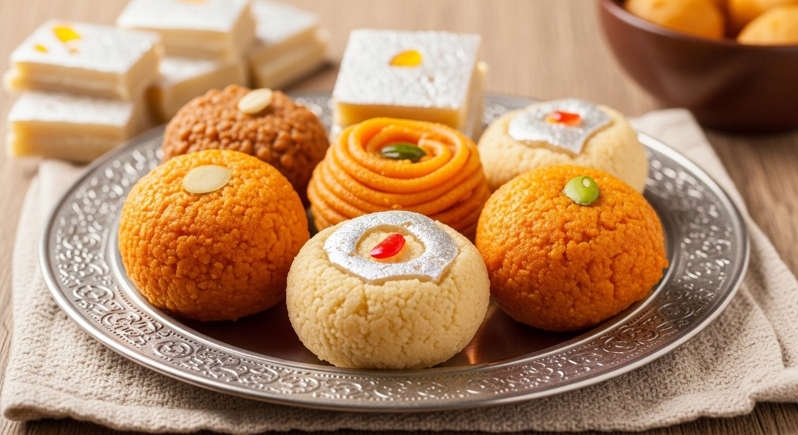
India’s culinary heritage is as rich and diverse as its culture, and nowhere is this more evident than in its traditional desserts. Indian sweets are not merely confections; they are symbols of celebration, devotion, and hospitality. Crafted from ingredients such as milk, sugar, flour, ghee, and aromatic spices, these sweets reflect centuries of regional artistry and culinary wisdom.
From festive gatherings and weddings to religious rituals and family celebrations, desserts occupy a central place in Indian life. Each sweet tells a story of geography, climate, and cultural tradition. Together, they form a royal treasury of flavors and textures that continues to captivate palates across generations.
Gulab Jamun is among the most beloved Indian sweets, recognized for its soft texture and fragrant sugar syrup. Traditionally made from milk solids shaped into small balls, it is deep-fried until golden and then soaked in rose- and cardamom-infused syrup. The result is a melt-in-the-mouth dessert that balances sweetness with subtle spice. It is often served warm and holds a permanent place at celebrations and festivals.
Rasgulla represents the lighter side of Indian desserts. Made from fresh curdled milk formed into spongy balls and cooked in sugar syrup, it is known for its airy texture and refreshing sweetness. Originating from eastern India, rasgulla is prized for its delicate flavor and ability to absorb syrup while remaining soft and juicy. It is a dessert that feels indulgent yet surprisingly light.
Jalebi is instantly recognizable by its bright orange spirals and crisp exterior. Prepared by fermenting batter and frying it into intricate coils before soaking it in sugar syrup, jalebi offers a delightful contrast between crunch and syrupy softness. It is commonly enjoyed hot, often paired with milk or yogurt-based accompaniments, making it a favorite for breakfast treats and festive evenings alike.
Laddu is one of the most versatile Indian sweets, with countless regional and ingredient variations. Typically shaped into round balls, laddus can be made from chickpea flour, semolina, coconut, or lentils, bound together with sugar or jaggery and enriched with ghee. Their adaptability and long shelf life make them popular for religious offerings and special occasions.
Barfi is a dense milk-based sweet that can be flavored with nuts, fruits, or spices. It is often cut into diamond or square shapes and decorated with edible silver leaf for a regal finish. From plain milk barfi to pistachio or coconut varieties, this dessert exemplifies refinement and simplicity. Its smooth texture and balanced sweetness make it universally appealing.
Rasmalai is a luxurious dessert composed of soft milk dumplings soaked in thickened, flavored milk. Infused with saffron and cardamom, it delivers a rich and creamy taste experience. Often garnished with nuts, rasmalai is associated with festive meals and formal celebrations. Its cooling nature and elegant presentation make it a favorite during warm seasons.
Peda is a compact milk-based sweet with a slightly grainy texture and rich flavor. Traditionally prepared by slowly cooking milk solids with sugar, it is shaped into small discs and often flavored with cardamom or saffron. Peda is closely linked to temple offerings and ceremonial feasts, symbolizing purity and devotion.
Mysore Pak is known for its rich texture and intense flavor derived from gram flour, sugar, and generous amounts of clarified butter. Originating in southern India, this sweet ranges from crumbly to melt-in-the-mouth depending on its preparation style. Its golden hue and rich aroma reflect its royal origins and enduring popularity.
Sandesh is a refined sweet made from fresh cottage cheese and lightly sweetened with sugar. It is usually flavored with cardamom or rose and shaped into artistic forms. Compared to syrup-heavy sweets, sandesh is subtle and elegant, offering a mild sweetness that highlights the natural flavor of milk. It is especially valued for its freshness and artisanal quality.
Halwa is a broad category of sweets prepared by cooking flour, vegetables, or lentils with sugar and fat. Popular versions include semolina halwa, carrot halwa, and lentil halwa. Each variety has its own texture and taste profile, ranging from smooth and glossy to rich and dense. Halwa is commonly prepared during religious ceremonies and festive gatherings.
Modak holds a special place in cultural tradition as a festive offering. Shaped like a dumpling and filled with sweet coconut and jaggery mixture, it is steamed or fried and flavored with cardamom. Its symbolic shape and delicate balance of sweetness make it a treasured delicacy associated with celebrations and family rituals.
Soan Papdi is known for its flaky, fibrous texture that dissolves on the tongue. Made from gram flour, sugar, and clarified butter, it is often flavored with cardamom and garnished with nuts. Its light structure contrasts with its rich taste, making it a popular choice for gifting and festive sharing.
Indian sweets are more than desserts; they are edible expressions of tradition, devotion, and hospitality. Each sweet, from the syrup-soaked gulab jamun to the delicate sandesh, represents a distinct culinary legacy shaped by regional ingredients and cultural customs. Together, these iconic desserts form the crown jewels of Indian gastronomy, treasured for their flavor and symbolic significance.
In a world increasingly drawn to global cuisines, Indian sweets continue to stand out for their complexity, artistry, and emotional connection to celebration. Whether enjoyed during festivals, ceremonies, or simple family gatherings, these desserts remain timeless reminders of the richness of India’s culinary heritage.
Indian sweets are deeply tied to religious rituals, festivals, and life events. They symbolize joy, prosperity, and hospitality, making them integral to cultural practices.
While many Indian desserts are milk-based, several varieties use flour, lentils, or vegetables as their primary ingredients. This diversity reflects regional availability and tradition.
Gulab Jamun and Jalebi are among the most internationally recognized due to their distinct taste and widespread availability.
Yes, many Indian sweets such as laddu, barfi, and soan papdi are commonly gifted during festivals and celebrations as symbols of goodwill and joy.
Almost every Indian sweet has regional styles that differ in texture, sweetness, and preparation method, adding to their culinary richness.
While traditionally linked to festivals, many of these desserts are enjoyed year-round, especially during special family occasions and gatherings.
Some sweets such as laddu and soan papdi have longer shelf lives, while milk-based sweets like rasmalai and sandesh are best consumed fresh.