English
 Arabic
 French
 Spanish
 Portuguese
 Deutsch
 Turkish
 Dutch
Dutch
 Italiano
 Russian
 Romaian
 Portuguese (Brazil)
 Greek
Greek
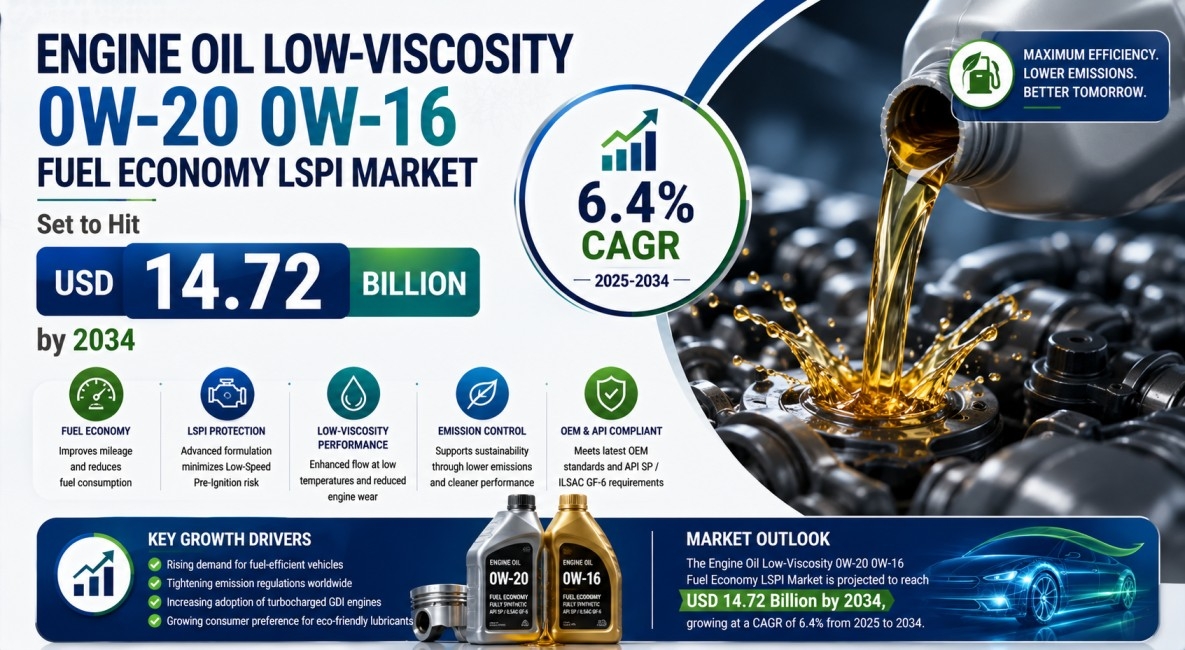
Engine Oil Low-Viscosity 0W-20 0W-16 Fuel Economy LSPI Market Set to Hit USD 14.72 Billion by 2034 at 6.4% CAGR
Music |
2026-05-21 12:43:50
 Social Networth OS
 Creator Commerce
 Launch Startup
 Global News
 Creator Award
 Talkfever App
TOON ALLES
Talkfever App
TOON ALLES

Upgrade to Pro

Depression is often associated with persistent sadness, lack of motivation, and emotional numbness. However, for many individuals, depression is not limited to low mood alone. Anxiety frequently appears alongside depressive symptoms, creating a more complex emotional experience. In clinical discussions, this overlap is sometimes described as depression with anxiety features, a term that highlights how worry, fear, and tension can significantly influence the direction and severity of depressive episodes. When anxiety is present, depression can take on a different course, affecting how long it lasts, how intense it becomes, and how a person responds to treatment.
Understanding this relationship is important because it helps individuals, families, and healthcare professionals recognize that depression is not always a single, uniform condition. Instead, it can evolve and intensify when anxiety symptoms are involved.
Anxiety and depression are two distinct mental health conditions, yet they frequently occur together. Research and clinical experience show that many people who experience depression also report symptoms such as excessive worry, nervousness, or fear. These emotional states do not simply coexist. They often interact with one another, making each condition more difficult to manage.
This connection exists partly because both conditions share similar biological and psychological roots. Imbalances in brain chemistry, exposure to prolonged stress, traumatic life experiences, and genetic predisposition can all contribute to the development of both anxiety and depression. When these factors overlap, the emotional burden becomes heavier, and recovery may require more comprehensive strategies.
Depression alone often leads to feelings of hopelessness, emptiness, and low energy. When anxiety is added to the picture, emotional patterns shift. Instead of only feeling slowed down or numb, individuals may also experience heightened alertness, tension, and mental restlessness.
This combination creates a conflicting internal state. A person might feel emotionally drained yet mentally overstimulated. They may want to rest but find their mind racing with worries. This dual experience can intensify emotional distress and make daily functioning more challenging. The presence of anxiety can also increase irritability, making social interactions more strained and leading to misunderstandings in relationships.
Anxiety has a significant influence on how long depression lasts and how severe it becomes. People who experience both conditions often report longer depressive episodes compared to those who experience depression alone. Anxiety can prolong negative thinking patterns, reinforce self-doubt, and make it harder to break out of emotional cycles.
Severity is another factor. Anxiety tends to amplify depressive symptoms by adding fear and uncertainty to existing sadness. For example, a person may not only feel unmotivated but also fear failure or rejection, which discourages them from taking positive steps forward. Over time, this can create a sense of being stuck, where progress feels both emotionally and mentally blocked.
The interaction between anxiety and depression does not remain limited to emotional well-being. Physical health is also affected. Anxiety activates the body’s stress response, leading to increased heart rate, muscle tension, and changes in breathing patterns. When combined with depressive fatigue and low energy, these physical reactions can become exhausting.
Chronic stress linked to anxiety may weaken the immune system, disrupt sleep cycles, and contribute to headaches or digestive issues. Meanwhile, depression can reduce motivation to maintain healthy habits such as exercise and balanced nutrition. Together, these conditions can create a cycle where physical discomfort reinforces emotional distress, making recovery more complex.
Anxiety often introduces doubt and overthinking into everyday life. When combined with depression, this can significantly affect decision-making abilities. Individuals may second-guess themselves, delay important choices, or avoid responsibilities entirely. Even small tasks like responding to messages or scheduling appointments can feel overwhelming.
Daily functioning may also decline. Work performance, academic focus, and household responsibilities can suffer due to the combined weight of low energy and constant worry. Social withdrawal becomes more likely, not only because of depressive feelings but also because anxiety can create fear of judgment or rejection. Over time, this isolation can deepen both conditions.
One of the major complications of anxiety within depression is the difficulty in accurate diagnosis. Symptoms often overlap, and individuals may focus on one set of feelings while overlooking the other. For example, someone might seek help for persistent sadness but fail to mention racing thoughts or physical tension. This can lead to incomplete treatment plans.
Healthcare professionals must carefully evaluate emotional, cognitive, and physical symptoms to understand the full picture. Without recognizing the anxiety component, treatment may address only part of the problem, leaving individuals feeling partially supported rather than fully understood.
When anxiety changes the course of depression, treatment approaches often need adjustment. A single method may not be sufficient. Instead, a combination of therapeutic techniques and lifestyle strategies tends to provide better outcomes.
Psychotherapy plays a central role. Cognitive behavioral therapy is commonly used because it helps individuals identify negative thought patterns and replace them with healthier perspectives. This approach addresses both depressive beliefs and anxious worries simultaneously.
Medication can also be part of the plan, depending on severity and professional recommendations. Some medications are designed to stabilize mood while also reducing anxiety symptoms. Close monitoring is essential to ensure effectiveness and minimize side effects.
Lifestyle adjustments further support recovery. Regular exercise releases endorphins that improve mood and reduce stress. Consistent sleep schedules help regulate emotional balance. Mindfulness practices, breathing exercises, and journaling can also provide tools for managing anxious thoughts and depressive feelings.
Support systems play a crucial role in shaping the course of depression influenced by anxiety. Friends, family members, and support groups offer reassurance and understanding that reduce feelings of isolation. Open communication allows individuals to express fears and frustrations rather than internalizing them.
Social support also encourages accountability and routine. Simple activities like shared meals, walks, or regular check-ins can provide stability and remind individuals that they are not facing challenges alone. This sense of connection can significantly improve emotional resilience and foster gradual progress.
Although anxiety can complicate the course of depression, recovery remains possible. Many individuals learn to manage both conditions through consistent treatment, self-awareness, and supportive environments. Progress may not always be linear, but small improvements accumulate over time and lead to meaningful change.
Education and awareness are powerful tools. Understanding how anxiety influences depression allows individuals to recognize early warning signs and seek help sooner. This proactive approach reduces the likelihood of prolonged emotional distress and increases the chances of successful management.
In the end, acknowledging the combined impact of anxiety and depression opens doors to more comprehensive care and innovative treatment options. Exploring therapy, lifestyle changes, and research opportunities, such as Oklahoma City depression research, can provide new pathways toward healing and long-term emotional well-being.