English
 Arabic
 French
 Spanish
 Portuguese
 Deutsch
 Turkish
 Dutch
Dutch
 Italiano
 Russian
 Romaian
 Portuguese (Brazil)
 Greek
Greek
 IMS for Investors
 Global News
 Vdo Junction
 Talkfever App
 Upcoming
Pragmatic Play dans l’écosystème du jeu en ligne moderne
Party |
2026-05-25 14:15:05
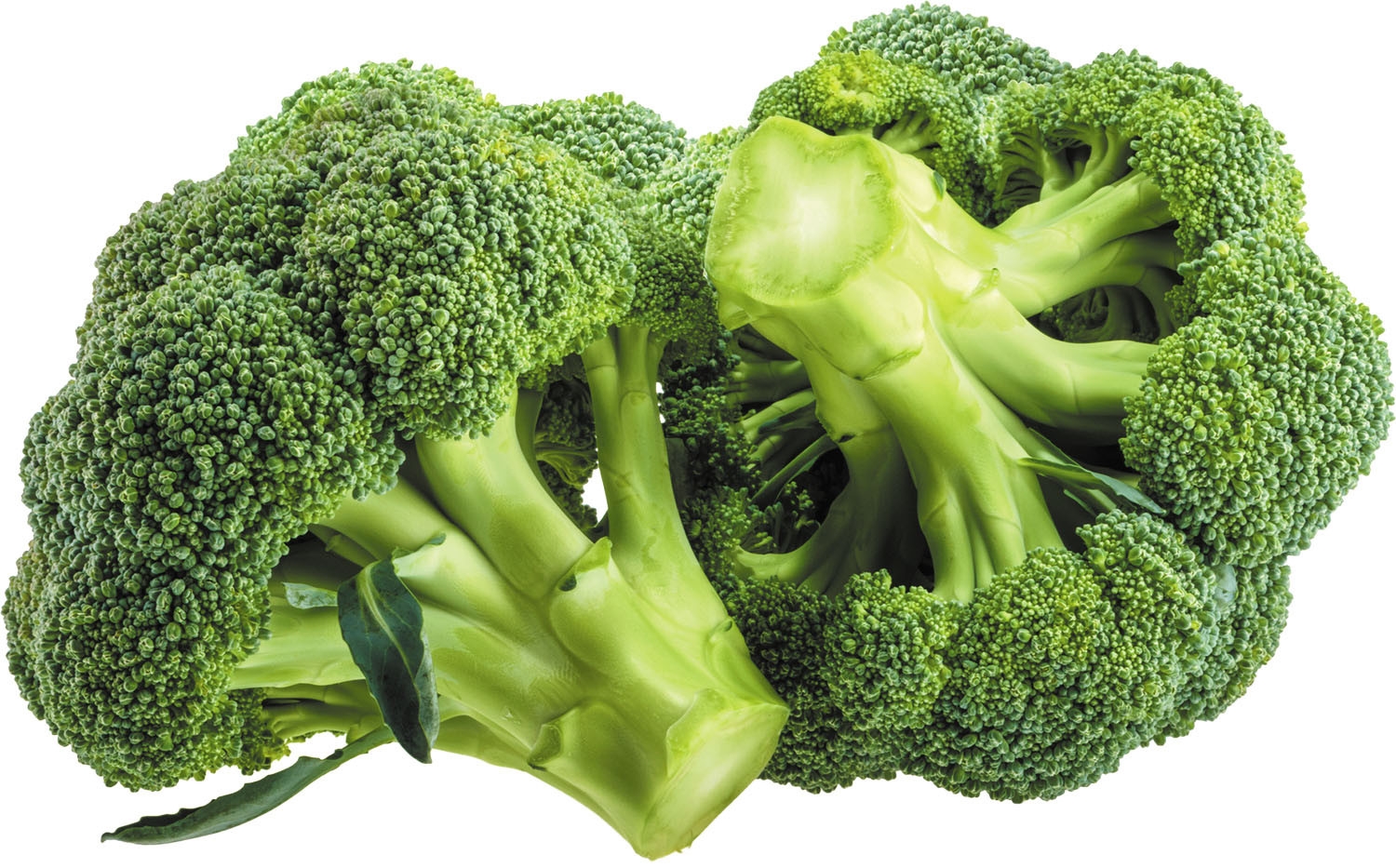
It sits unassumingly in the produce aisle, a dense cluster of green trees that often plays second fiddle to more colorful vegetables. But broccoli is a certified nutritional powerhouse, a "superfood" loaded with fiber, vitamins, and minerals . However, beneath its familiar exterior lies a complex biochemical puzzle: the way you prepare this vegetable can either unlock its most powerful disease-fighting compounds or completely destroy them. This is the science of maximizing broccoli’s potential, and it centers on one specific, mighty molecule: sulforaphane.
To understand the healthiest way to eat broccoli, you must first understand why preparation matters so much. Broccoli, like other cruciferous vegetables, does not come pre-packed with sulforaphane. Instead, it contains a precursor compound called glucoraphanin and an enzyme called myrosinase, which are physically separated within the plant’s cells .
The magic happens when these two substances meet. This occurs when the plant is damaged—by chopping, chewing, or blending. The myrosinase enzyme goes to work, converting the glucoraphanin into sulforaphane . So, the very act of preparing your broccoli is what creates the antioxidant.
Why go through all this trouble? Sulforaphane is one of the most beneficial compounds you can eat. Research from leading institutions, including a comprehensive 2025 review from Johns Hopkins University, confirms its wide-ranging therapeutic potential . It is a potent activator of the Nrf2 pathway in your cells, which is essentially your body's "master switch" for antioxidant and detoxification processes .
By flipping this switch, sulforaphane stimulates the production of antioxidant enzymes that neutralize harmful free radicals, protecting your cells from oxidative damage . This mechanism underpins its ability to:
Fight Inflammation and Cancer: It helps remove cancerous substances, inhibit the growth of cancer cells, and reduce inflammation .
Support Detoxification: It aids liver function in clearing toxins from the body .
Protect Cardiovascular Health: It may help improve blood pressure and reduce the risk of heart disease .
Provide Neuroprotective Effects: Early research suggests it could play a role in protecting against brain disorders like Alzheimer's and Parkinson's disease .
Given these profound benefits, ensuring you actually get this compound on your plate is the goal of the peak performance plate.
So, how do you become a sulforaphane-maximizing chef? It requires a simple but intentional two-step strategy, moving beyond just "not overcooking" it.
The most critical—and often overlooked—step happens before the heat is even turned on. Research published in the Journal of Agricultural and Food Chemistry suggests that you should chop your broccoli into florets and let them sit for about 90 minutes before cooking .
This waiting period is not about convenience; it's about chemistry. "This is likely because chopping activates myrosinase, facilitating the conversion of glucoraphanin to sulforaphane before the enzyme is deactivated by heat," explains Stephani Johnson, RDN, a nutrition expert from Rutgers University . By giving the enzyme a head start, you ensure a much higher concentration of sulforaphane is already present before the next phase begins.
Once the broccoli has rested, the cooking method you choose is paramount. The enemy of sulforaphane is prolonged, high heat, which destroys the delicate myrosinase enzyme . Therefore, the goal is to cook the broccoli just enough to make it palatable and digestible without obliterating the very compound you worked to create.
The research points to light stir-frying as an excellent option, as it was found to preserve higher levels of sulforaphane compared to harsher methods . Another top contender, supported by multiple experts, is quick steaming for only 3 to 5 minutes . This method retains the vegetable's vibrant color, crunchy texture, and the vast majority of its nutrients.
Just as there are techniques to maximize broccoli's benefits, there are common cooking mistakes that can decimate its nutritional value. If your goal is peak performance, these are the methods to approach with caution or avoid altogether.
1. The Boiling Trap
Boiling is perhaps the most common, yet most damaging, cooking method for broccoli. When you submerge florets in a large pot of water, water-soluble vitamins like vitamin C and the valuable glucosinolates (the precursors to sulforaphane) leach out into the cooking water . If you pour that water down the drain, you're pouring away a significant portion of the nutrition. Some studies suggest boiling can destroy up to 90% of glucosinolates .
2. The Microwave Wrecking Ball
The evidence against microwaving broccoli is stark, albeit from older but still-cited research. One study found that microwaving could destroy up to 97% of some antioxidants, including flavonoids . While the exact mechanism is debated, it's thought that the intense, rapid heating from the inside out, combined with water, causes catastrophic cell wall collapse and nutrient degradation . This method is best avoided if you're seeking sulforaphane.
3. The "Fry-Off" and Sauce Smother
Deep-frying is a nutritional dead-end for any vegetable. It adds a massive amount of empty calories and unhealthy fats while degrading heat-sensitive compounds . Furthermore, coating broccoli in heavy cream or cheese sauces not only adds unhealthy elements but often distracts from the vegetable's natural flavor, leading people away from healthier preparation methods in the first place .
4. Overcooking: The Universal Sin
Regardless of the method, time is of the essence. "As with most antioxidants, you want to minimize heat time," notes Julia Zumpano, a registered dietitian. "The longer you cook the broccoli, the more antioxidants you’ll lose" . Overcooking turns broccoli into a mushy, unappetizing mess and ensures that the myrosinase enzyme, and the sulforaphane it creates, are long gone.
Unlocking broccoli’s antioxidant power doesn't require a culinary degree or a chemistry lab. It simply requires a shift in mindset. By embracing the simple "chop, wait, and lightly cook" method, you can transform a healthy vegetable into a true peak-performance food, ensuring you receive the full benefit of its remarkable sulforaphane content .
However, it's crucial to keep this in perspective. Nutrition experts universally agree that eating broccoli any way is infinitely better than not eating it at all . If the choice is between a microwaved bag of broccoli or no broccoli, the microwave wins. But if you have the time and the intention to fuel your body for peak performance, these small, intentional steps in the kitchen yield an outsized reward.
As you build your peak performance plate, remember that sulforaphane is just one piece of the puzzle. True health comes from a dietary pattern rich in a wide variety of colorful plants, each offering a unique suite of phytochemicals that work in synergy to protect and nourish your body . So, master your broccoli, but don't forget to celebrate the rest of the garden, too.