English
 Arabic
 French
 Spanish
 Portuguese
 Deutsch
 Turkish
 Dutch
Dutch
 Italiano
 Russian
 Romaian
 Portuguese (Brazil)
 Greek
Greek
Aluminium Round pipes for Automotive and EV: The Silent Infrastructure Driving Lightweight Mobility, Thermal Efficiency, and Next-Generation Vehicle Architecture
Music |
2026-06-04 06:03:57
 Social Networth OS
 Creator Commerce
 Launch Startup
 Global News
 Creator Award
 Talkfever App
δες τα όλα
Talkfever App
δες τα όλα

Upgrade to Pro
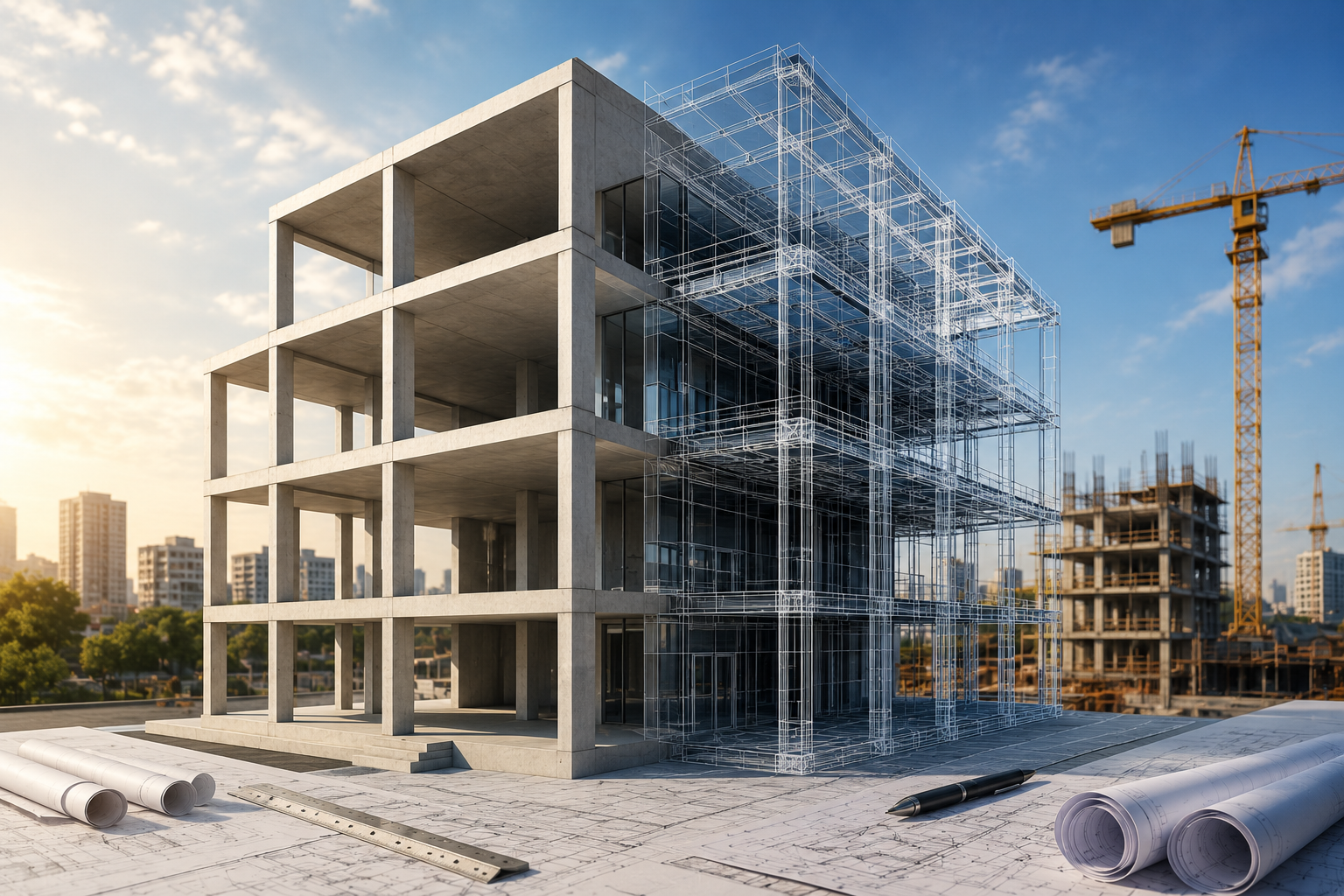
As climate change increases flooding around the world, civil engineers are being forced to rethink how roads are designed and constructed. Traditional roads often fail during floods because water weakens the soil underneath, damages pavements, and disrupts transportation systems.
To solve this growing problem, engineers are developing an innovative concept known as floating roads. These roads are designed to remain stable even when water levels rise, making them especially useful in flood-prone regions, wetlands, coastal areas, and cities vulnerable to climate-related disasters.
Floating road technology combines geotechnical engineering, environmental science, transportation engineering, and sustainable infrastructure design. Although still relatively uncommon, this concept may play a major role in the future of resilient urban development.
Floating roads are road systems designed to remain functional over soft, unstable, or water-covered ground without relying entirely on traditional soil support.
Instead of depending only on compacted earth, floating roads use lightweight materials, buoyant systems, reinforced platforms, or elevated structural support to distribute loads more efficiently.
These roads can be built over:
The goal is to create infrastructure that adapts to difficult environmental conditions rather than constantly fighting against them.
Standard road construction relies heavily on stable soil conditions. During floods, several problems occur:
Excess water reduces soil strength and bearing capacity.
Water infiltration damages asphalt and concrete layers.
Floodwater can wash away supporting soil beneath the roadway.
Uneven soil movement causes sinking and surface deformation.
Flooded roads can completely block emergency access and economic activity.
Civil engineers spend billions annually repairing flood-damaged infrastructure worldwide.
Different floating road systems use different engineering methods depending on environmental conditions.
Some floating roads use lightweight fill materials such as expanded polystyrene blocks or geofoam to reduce pressure on weak soil.
This minimizes settlement and improves stability.
In highly flooded environments, roads may use floating pontoon systems similar to floating bridges.
These structures rise and fall with water levels.
Certain road systems use modular concrete or steel platforms supported by piles above flood-prone zones.
Geotextiles and geogrids strengthen soft ground and distribute vehicle loads more evenly.
Floating roads remain usable during floods and heavy rainfall.
Flexible and adaptive systems often experience less structural damage.
Communities in remote or flood-prone regions maintain transportation access year-round.
Some systems minimize disruption to wetlands and natural ecosystems.
Modular floating systems can sometimes be installed more quickly than traditional highways.
Several countries are already experimenting with floating infrastructure.
Known for advanced water management systems, Dutch engineers continue developing flood-adaptive infrastructure technologies.
Some rural regions use floating pathways and adaptive transportation systems during seasonal flooding.
Engineers are exploring floating highway concepts for crossing deep fjords.
Flood-prone urban regions are increasingly studying resilient roadway solutions.
These projects demonstrate how civil engineering services is evolving to handle changing environmental conditions.
Despite the benefits, floating roads also present technical challenges.
Advanced materials and structural systems can increase project budgets.
Engineers must ensure floating systems can withstand years of weather exposure and traffic loads.
Water currents, erosion, and changing soil conditions require continuous monitoring.
Dynamic movement from water and traffic loads must be carefully controlled.
Future floating roads may include advanced monitoring systems such as:
Smart infrastructure will allow engineers to detect problems before major failures occur.
One reason floating roads are gaining attention is their potential role in climate adaptation.
As sea levels rise and storms become more severe, cities need infrastructure that can survive changing environmental conditions.
Civil engineers are increasingly focusing on:
Floating roads fit into this broader movement toward smarter and more sustainable civil engineering.
Floating roads may sound futuristic, but they represent a practical response to some of the biggest infrastructure challenges facing modern cities. As flooding becomes more common and urban populations continue growing, engineers will need innovative transportation systems capable of adapting to difficult environments.
Civil engineering is no longer only about building stronger roads — it is about designing infrastructure that can survive, adapt, and continue functioning in an unpredictable world.