English
 Arabic
 French
 Spanish
 Portuguese
 Deutsch
 Turkish
 Dutch
Dutch
 Italiano
 Russian
 Romaian
 Portuguese (Brazil)
 Greek
Greek
How AI is Transforming Fintech in 2026
Other |
2026-07-08 04:23:15
 Social Networth OS
 Creator Commerce
 Launch Startup
 Global News
 Creator Award
 Talkfever App
عرض كل النتائج
Talkfever App
عرض كل النتائج

ترقية الحساب
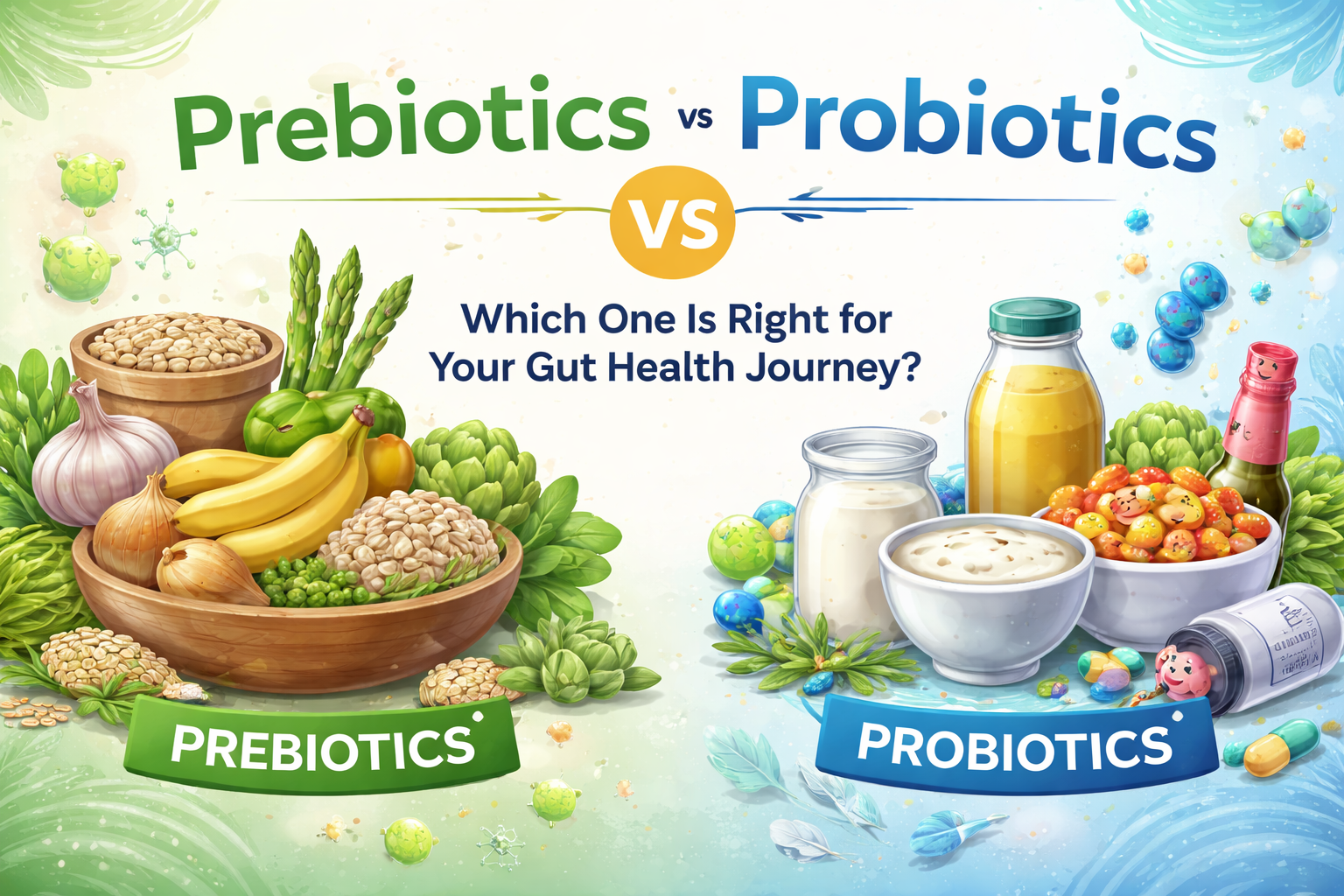
Gut health has become a central pillar of overall wellness, influencing everything from digestion and immunity to mental clarity and energy levels. As awareness grows, two terms frequently dominate the conversation: prebiotics and probiotics. While they are often mentioned together, they serve distinct roles within the gut ecosystem. Understanding their differences—and how they work together—can help you make informed decisions for a healthier, more balanced life.
Probiotics are live microorganisms—often referred to as “good bacteria”—that provide health benefits when consumed in adequate amounts. These beneficial microbes help restore balance in the gut microbiome, especially after disruptions caused by poor diet, stress, or antibiotics.
Common sources of probiotics include:
Prebiotics, on the other hand, are a type of non-digestible fiber that act as food for these beneficial bacteria. Instead of introducing new microbes into the system, prebiotics nourish and stimulate the growth of the existing good bacteria in your gut.
Common sources of prebiotics include:
The primary distinction lies in their function:
Think of your gut as a garden: probiotics are the seeds you plant, while prebiotics are the fertilizer that helps those seeds grow and thrive.
Another difference is how they work within the body. Probiotics directly influence the microbial balance by introducing new strains, while prebiotics indirectly improve gut health by enhancing the environment in which these microbes live.
Probiotics have been widely studied for their role in digestive health and beyond. Some of their key benefits include:
However, probiotics are strain-specific, meaning different strains offer different benefits. Not all probiotics work the same way, which makes choosing the right one important.
Prebiotics play an equally important, though often overlooked, role:
Unlike probiotics, prebiotics are generally more stable and less sensitive to environmental conditions like heat or storage.
The question of “which is better” is somewhat misleading. Prebiotics and probiotics are not competitors—they are complementary.
In many cases, the most effective approach is combining both—often referred to as synbiotic support—to both introduce beneficial microbes and provide them with the nutrients they need to flourish.
Your choice depends on your individual health goals and current condition:
It’s also important to focus on whole foods rather than relying solely on supplements. A diverse, fiber-rich diet naturally provides both prebiotics and probiotics, supporting a more sustainable and balanced gut environment.
Prebiotics and probiotics are both vital components of a healthy gut, but they serve different purposes. While probiotics introduce beneficial bacteria into your system, prebiotics ensure those bacteria have the nourishment they need to thrive. Rather than choosing one over the other, the key lies in understanding how they work together.
For a truly effective gut health strategy, aim to incorporate both into your daily routine through a balanced diet and, if necessary, targeted supplementation. By doing so, you create a strong foundation for not just digestive health, but overall well-being.
1. Can I take prebiotics and probiotics together?
Yes, taking them together is often recommended. This combination, known as synbiotics, enhances the effectiveness of both by ensuring beneficial bacteria are well-fed and active.
2. Are probiotics safe for everyone?
Probiotics are generally safe for most people. However, individuals with compromised immune systems or serious health conditions should consult a healthcare professional before use.
3. How long does it take to see results?
Results vary depending on the individual. Some people notice improvements in digestion within a few days, while others may take a few weeks of consistent use.
4. Can I get enough prebiotics from food alone?
Yes, a diet rich in fruits, vegetables, and whole grains typically provides sufficient prebiotics for most people.
5. Do I need supplements for gut health?
Not necessarily. While supplements can be helpful in certain situations, a balanced diet is usually the best foundation for maintaining gut health.