English
 Arabic
 French
 Spanish
 Portuguese
 Deutsch
 Turkish
 Dutch
Dutch
 Italiano
 Russian
 Romaian
 Portuguese (Brazil)
 Greek
Greek
How do I contact Expedia about a flight change? Dial:- 1888*349*6080
Other |
2025-04-21 18:50:29
 Social Networth OS
 Creator Commerce
 Launch Startup
 Global News
 Creator Award
 Talkfever App
TOON ALLES
Talkfever App
TOON ALLES

Upgrade to Pro
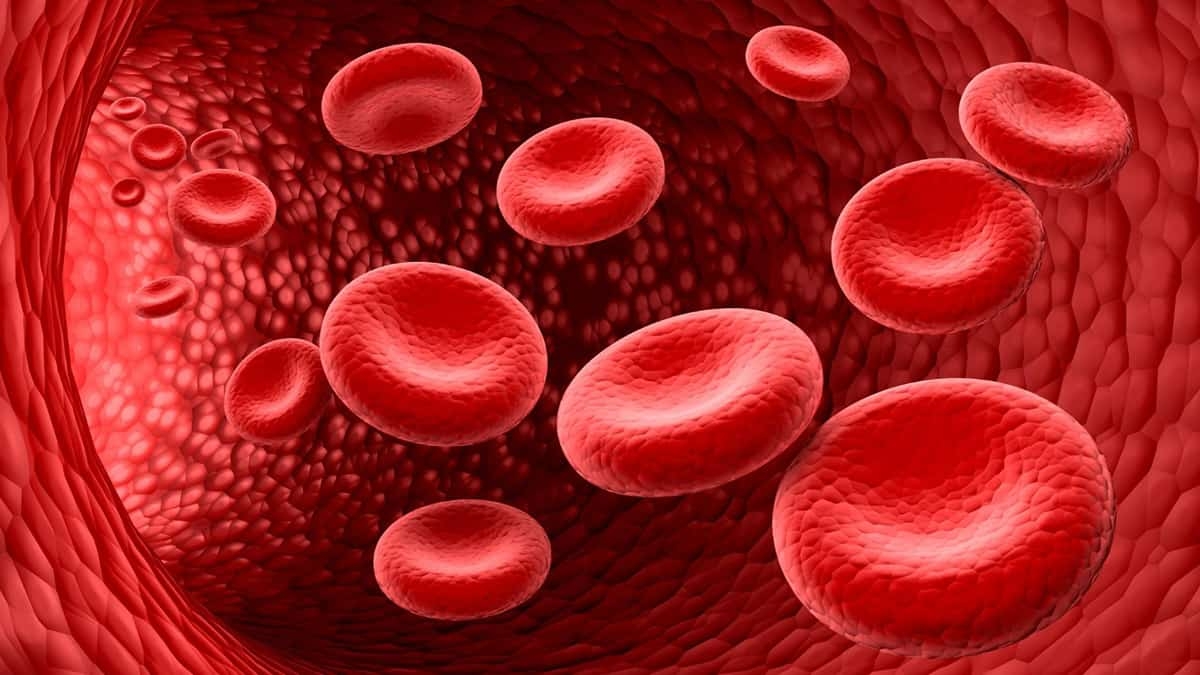
Iron deficiency is one of the most common nutritional problems worldwide and can lead to fatigue, weakness, pale skin, dizziness, and reduced immunity. Iron plays a crucial role in producing hemoglobin, the protein in red blood cells responsible for carrying oxygen throughout the body. When iron levels are low, the body struggles to maintain healthy energy levels and proper organ function. Fortunately, incorporating iron-rich foods into your daily diet can help naturally restore healthy iron levels.
1. Spinach
Spinach is one of the most well-known plant-based sources of iron. This leafy green vegetable also contains vitamin C, antioxidants, and fiber, which support overall health. Consuming spinach in salads, soups, or smoothies can help improve iron intake.
2. Lentils
Lentils are a powerhouse of nutrients and an excellent source of plant-based iron. They are also rich in protein, fiber, and essential minerals. Including lentils in soups, curries, or salads can significantly contribute to maintaining healthy iron levels.
3. Red Meat
Lean red meat is one of the most easily absorbed sources of iron. It contains heme iron, which the body absorbs more efficiently than plant-based iron. Consuming moderate amounts of lean beef or lamb can help prevent iron deficiency.
4. Pumpkin Seeds
Pumpkin seeds are small but nutrient-dense. They contain a good amount of iron along with magnesium, zinc, and healthy fats. Adding them to oatmeal, yogurt, or salads is a simple way to increase iron intake.
5. Chickpeas
Chickpeas are another excellent plant-based source of iron. They also provide protein and fiber, making them a healthy addition to meals. Chickpeas can be enjoyed in curries, salads, or blended into hummus.
6. Tofu
Tofu is a popular plant-based protein that also provides a decent amount of iron. It is versatile and can be added to stir-fries, soups, or grilled dishes.
7. Quinoa
Quinoa is a nutrient-rich whole grain that contains iron, protein, and essential amino acids. It serves as a healthy alternative to rice and can be used in salads, bowls, or side dishes.
8. Dark Chocolate
High-quality dark chocolate contains iron and antioxidants that may benefit overall health. Consuming small portions occasionally can contribute to daily iron intake.
9. Beetroot
Beetroot is known for supporting healthy blood levels and improving circulation. While it contains moderate iron, it also helps the body produce healthy red blood cells.
Conclusion :-
To maximize iron absorption, pair iron-rich foods with vitamin C sources such as citrus fruits, tomatoes, or bell peppers. At the same time, try to limit tea or coffee during meals, as they may reduce iron absorption. By consistently including these iron-rich foods in your diet, you can naturally support healthy iron levels and improve overall well-being.