English
 Arabic
 French
 Spanish
 Portuguese
 Deutsch
 Turkish
 Dutch
Dutch
 Italiano
 Russian
 Romaian
 Portuguese (Brazil)
 Greek
Greek
Molecular Modeling Tools Transform Structural Biology Research
Non classé |
2026-06-18 08:53:29
 Social Networth OS
 Creator Commerce
 Launch Startup
 Global News
 Creator Award
 Talkfever App
Tout voir
Talkfever App
Tout voir

Mise à niveau vers Pro
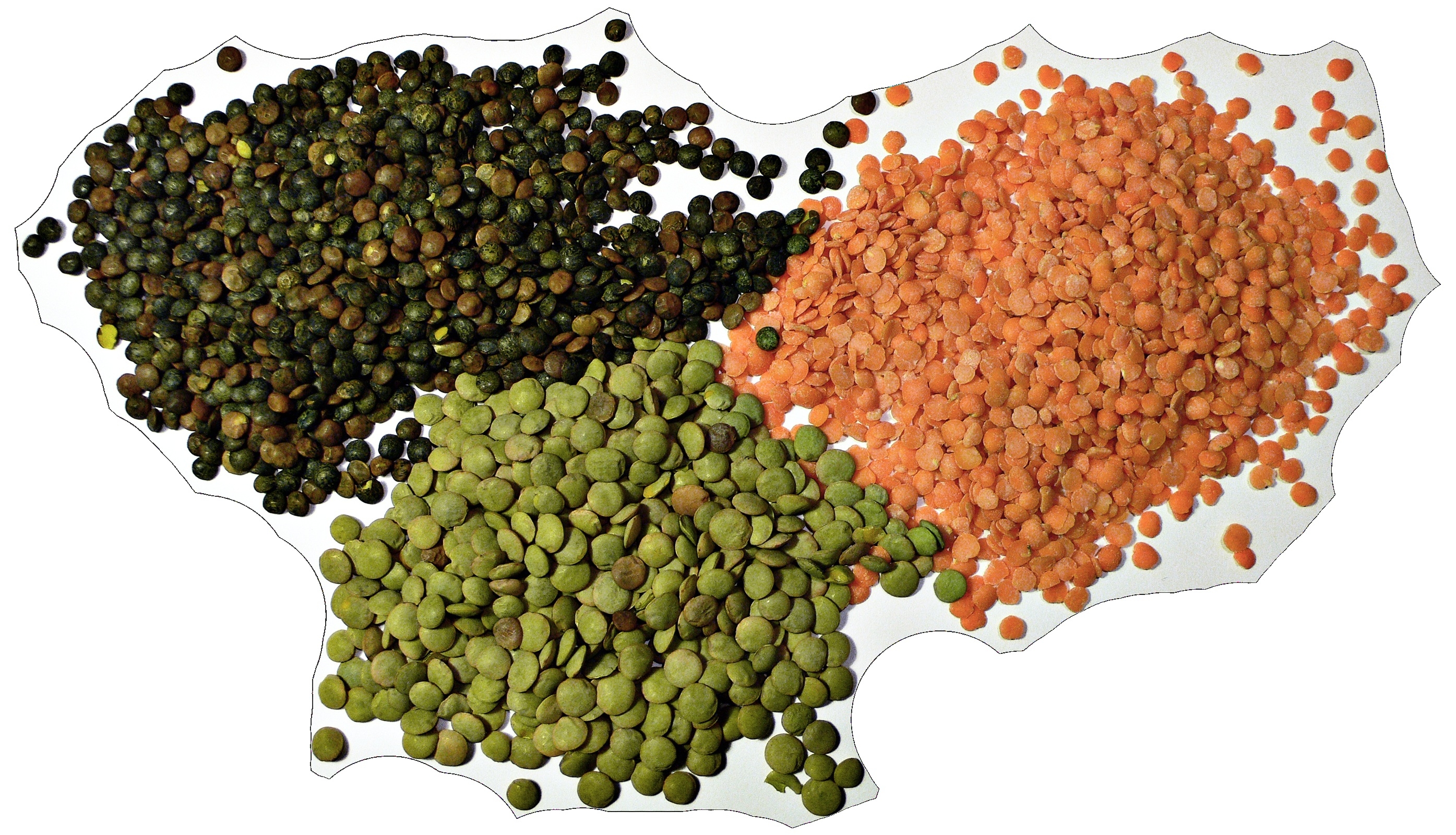
Lentils have been a staple food in many cultures for thousands of years. From South Asian kitchens to Mediterranean diets, these small but powerful legumes are valued for their rich nutritional profile, affordability, and versatility. Whether used in soups, stews, salads, or traditional dishes, lentils provide an excellent source of plant-based protein, fiber, vitamins, and minerals.
While lentils are already nutritious, one simple kitchen habit can significantly enhance their health benefits—soaking them before cooking. Soaking lentils is a traditional practice that has been followed for generations. Beyond reducing cooking time, soaking improves digestion, enhances nutrient absorption, and makes lentils easier for the body to utilize.
This article explores what lentils are, why soaking them matters, the health benefits of soaked lentils, and answers to common questions about this simple yet powerful practice.
Lentils are edible seeds that belong to the legume family. They grow in pods and are commonly harvested as dried seeds that can be stored for long periods. Lentils are widely consumed around the world because they are nutritious, affordable, and easy to prepare.
There are several varieties of lentils, each with unique colors, textures, and culinary uses. Common types include:
Brown lentils – the most widely used variety in soups and stews
Green lentils – known for their firm texture and slightly peppery flavor
Red lentils – commonly used in curries and soft dishes because they cook quickly
Black lentils – often used in traditional recipes and known for their rich taste
Yellow lentils – commonly found in South Asian cuisine
Lentils are considered a nutritional powerhouse because they contain essential nutrients such as:
Plant-based protein
Dietary fiber
Iron
Folate
Magnesium
Potassium
B vitamins
For people following vegetarian or plant-based diets, lentils serve as an important protein source. However, like many legumes, lentils also contain natural compounds that can make digestion more difficult if they are not properly prepared. This is where soaking becomes important.
Soaking lentils is a traditional preparation method that involves placing them in water for several hours before cooking. This step may seem small, but it significantly improves the nutritional quality and digestibility of lentils.
Lentils contain compounds called anti-nutrients, such as phytic acid and certain enzyme inhibitors. These substances can reduce the body's ability to absorb important minerals like iron, zinc, and calcium. When lentils are soaked, these compounds begin to break down, allowing the nutrients to become more bioavailable.
Another reason soaking is beneficial is that lentils naturally contain complex carbohydrates and fibers that can be difficult for the digestive system to process. Soaking helps soften the outer layer of the lentils and starts the breakdown process, making them easier to digest.
In addition, soaking helps remove dust, residues, and some naturally occurring compounds that may cause gas or bloating. This is why many traditional cooking methods recommend soaking lentils before preparing them.
Even though some lentils can technically be cooked without soaking, doing so improves both their texture and nutritional value.
One of the biggest advantages of soaking lentils is improved digestion. Lentils contain complex carbohydrates that can sometimes cause bloating or discomfort. Soaking helps break down these compounds, making them gentler on the digestive system.
People who experience gas after eating legumes often find that soaking lentils reduces this issue significantly.
Lentils are rich in minerals such as iron, zinc, and magnesium. However, phytic acid in raw lentils can bind to these minerals and reduce their absorption in the body.
Soaking helps reduce the level of phytic acid, allowing the body to absorb more of these important nutrients. As a result, the nutritional benefits of lentils become more accessible.
Soaked lentils cook faster than unsoaked lentils. When lentils absorb water during soaking, their structure softens. This means they require less time and energy to cook.
Shorter cooking times can also help preserve certain heat-sensitive nutrients.
Soaking helps lentils cook more evenly and produce a softer, more pleasant texture. In many dishes, especially soups and curries, soaked lentils blend better and create smoother consistency.
Additionally, soaking can remove slight bitterness and enhance the natural flavor of lentils.
Lentils are high in dietary fiber, which supports healthy digestion and gut function. Soaking enhances the body's ability to process this fiber more efficiently.
Healthy gut bacteria thrive on fiber-rich foods, and properly prepared lentils can contribute positively to digestive health.
Like many legumes, lentils contain small amounts of natural compounds that protect the plant but may not be ideal for digestion in large amounts. Soaking helps wash away some of these compounds, making lentils safer and healthier to consume.
The process of soaking lentils is simple and requires only water and time.
Step-by-step method:
Rinse lentils thoroughly under clean water to remove dust and debris.
Place them in a bowl and add enough water to fully cover them.
Let the lentils soak for about 2 to 8 hours, depending on the variety.
Drain and rinse the lentils again before cooking.
Red and yellow lentils usually require shorter soaking times, while green and brown lentils benefit from longer soaking.
Lentils are one of the most nutritious and versatile foods available. They provide essential protein, fiber, and minerals that support overall health and well-being. However, the way lentils are prepared can greatly influence how well the body absorbs these nutrients.
Soaking lentils before cooking is a simple yet powerful habit that improves digestion, enhances nutrient absorption, reduces cooking time, and improves flavor and texture. This traditional practice reflects centuries of culinary wisdom and continues to be supported by modern nutritional understanding.
By adopting the simple habit of soaking lentils, individuals can unlock even greater health benefits from this humble but highly valuable food.
Not all lentils strictly require soaking, especially red lentils. However, soaking is recommended because it improves digestion and nutrient absorption.
Most lentils should be soaked for 2 to 8 hours. Smaller varieties require less time, while larger ones benefit from longer soaking.
Yes, soaking lentils overnight is common and convenient. Just make sure to drain and rinse them before cooking.
Unsoaked lentils can still be cooked, but they may take longer to soften and could be harder to digest for some people.
It is generally better to discard the soaking water and cook lentils in fresh water to remove dissolved anti-nutrients.
No, soaking does not significantly reduce protein content. Instead, it improves the body's ability to utilize the nutrients present in lentils.