English
 Arabic
 French
 Spanish
 Portuguese
 Deutsch
 Turkish
 Dutch
Dutch
 Italiano
 Russian
 Romaian
 Portuguese (Brazil)
 Greek
Greek
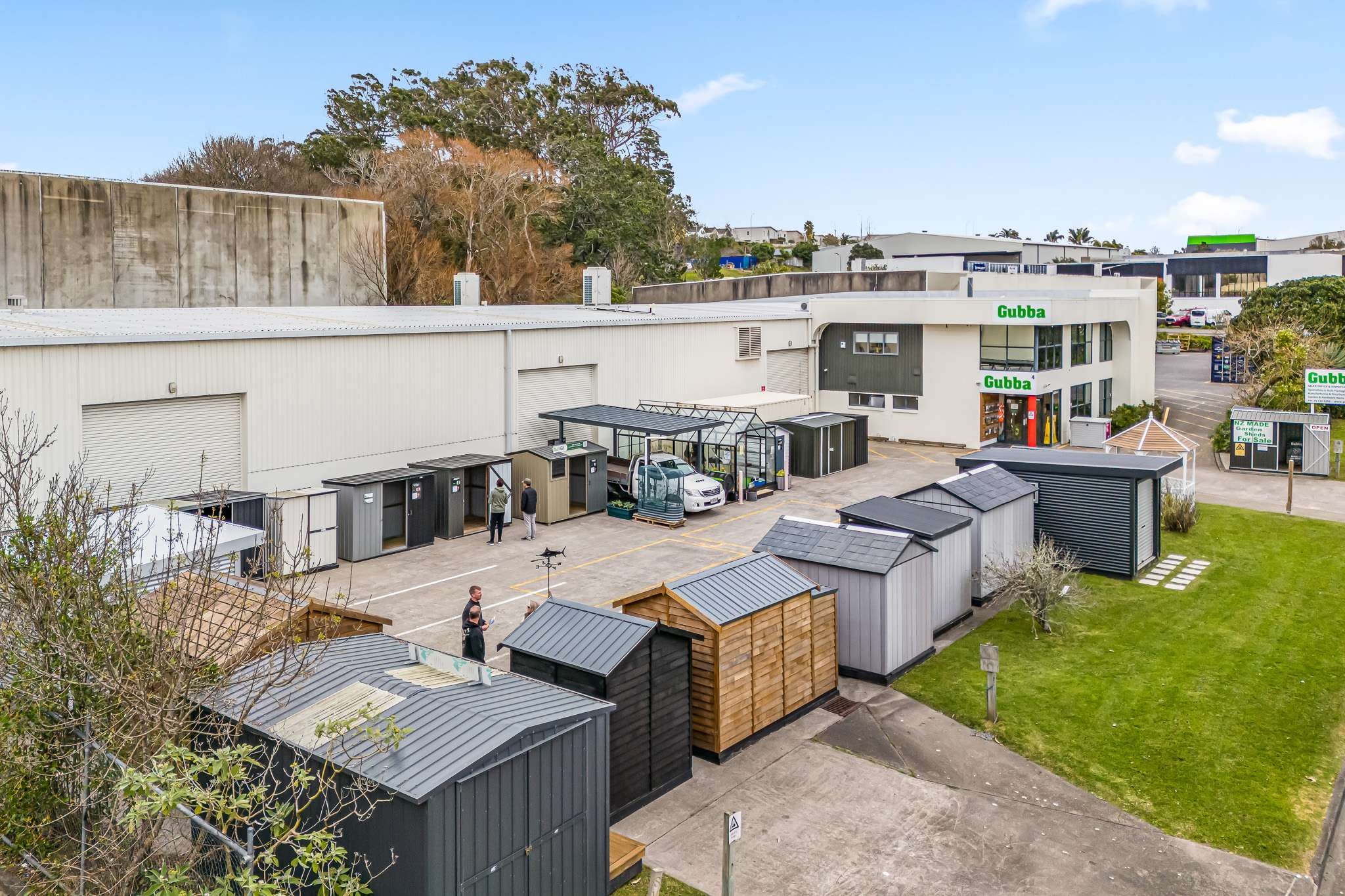
Gubba Garden Sheds: The Perfect Outdoor Storage Solution for Every Season
Shopping |
2026-07-30 11:52:57
 Social Networth OS
 Creator Commerce
 Launch Startup
 Global News
 Creator Award
 Talkfever App
Tout voir
Talkfever App
Tout voir

Mise à niveau vers Pro

The role of the Virtual School Head (VSH) has expanded significantly in recent years, moving beyond just supporting children currently in care to including those who were previously looked after. This shift acknowledges that the trauma and instability associated with being in the care system do not vanish once a child finds a permanent home through adoption, special guardianship, or child arrangements orders. For a Designated Safeguarding Lead (DSL), understanding this expanded remit is vital for ensuring that these students receive the bespoke educational support they are entitled to.
While the VSH provides the overarching strategy and advice, the day-to-day responsibility for monitoring the welfare of PLAC falls heavily on the school’s safeguarding team. The DSL must be proactive in identifying these students, which often requires sensitive communication with parents and guardians who may be hesitant to disclose a child’s care history. Once identified, the DSL acts as the internal advocate, ensuring that the child’s past experiences are factored into behavior policies and pastoral support plans. This level of advocacy requires a deep understanding of attachment theory and developmental trauma, topics that are extensively covered in a designated safeguarding lead training course. Without this specialized training, a DSL might misinterpret trauma-based behaviors as simple defiance, leading to exclusionary practices that further marginalize the child. Instead, the DSL should lead a "trauma-informed" approach that prioritizes stability and emotional regulation over rigid disciplinary measures.
One of the most practical aspects of the collaboration between the DSL and the Virtual School Head is the effective management of the Pupil Premium Plus (PP+) funding. Unlike the funding for children currently in care, which is managed by the VSH, the PP+ for previously looked-after children is managed directly by the school. However, the VSH remains a vital source of guidance on how this funding can be best utilized to close the attainment gap. The DSL, working alongside the Special Educational Needs Coordinator (SENCO), must demonstrate that this funding is being used for evidence-based interventions that address the specific barriers faced by PLAC. Professionals who have undergone a designated safeguarding lead training course are better prepared to evaluate the impact of these interventions, ensuring that the funds are not just absorbed into the general school budget but are genuinely making a difference in the child’s educational journey and overall well-being.
Previously looked-after children are often subject to different admission priorities and Fair Access Protocols to ensure they are not further disadvantaged by their history. The DSL must work with the VSH to ensure that these children are placed in schools that can truly meet their needs, rather than just the nearest available slot. This collaboration is particularly crucial during mid-year transfers or when a child is at risk of exclusion. The VSH can provide an external perspective and additional resources, while the DSL provides the on-the-ground context of the child’s current challenges. Mastery of these statutory "School Admissions Code" requirements is often a highlight of a designated safeguarding lead training course, as it empowers the DSL to challenge unfair decisions and ensure the child’s right to education is protected. By standing together, the DSL and VSH can create a powerful safety net that prevents vulnerable children from falling through the cracks of the educational system.
The mental health needs of previously looked-after children are often more complex than those of their peers, frequently involving issues of loss, identity, and attachment. The DSL must facilitate a multidisciplinary approach to support, often acting as the link between the school, the VSH, and external Mental Health Services (CAMHS). Collaboration with the Virtual School Head allows for a more holistic view of the child’s needs, often accessing specialized training for staff or therapeutic interventions that the school might not be able to afford independently. High-level designated safeguarding lead training course participation ensures that the DSL is capable of leading these complex conversations and identifying when a child’s mental health is deteriorating. By focusing on "wellbeing as a prerequisite for learning," the DSL and VSH can ensure that the school provides a secure base from which the child can explore their educational potential without fear of failure or rejection.
Information sharing is a recurring theme in the relationship between the DSL and the Virtual School Head. While confidentiality is paramount, the VSH needs certain data to fulfill their statutory duty to monitor the progress of PLAC at a local authority level. The DSL must be adept at balancing the privacy rights of the family with the professional need to share information that will benefit the child’s education. This requires a sophisticated understanding of GDPR and the specific safeguarding exceptions that allow for data exchange. Training in these areas is a fundamental part of a designated safeguarding lead training course, giving leads the confidence to share information appropriately and legally. When data is shared effectively, it allows the VSH to identify trends and allocate regional resources more effectively, while the DSL can receive targeted advice that is specific to the child’s documented history and current progress.
The partnership between the Designated Safeguarding Lead and the Virtual School Head is more than just a statutory requirement; it is a vital lifeline for children who have experienced the care system. By combining the VSH’s strategic oversight with the DSL’s daily operational knowledge, schools can provide a level of support that truly transforms lives. This collaborative effort requires a commitment to continuous learning and professional development.