English
 Arabic
 French
 Spanish
 Portuguese
 Deutsch
 Turkish
 Dutch
Dutch
 Italiano
 Russian
 Romaian
 Portuguese (Brazil)
 Greek
Greek
ARM-Based Servers Market Forecast: Key Trends Shaping Growth Through 2035
Music |
2026-06-16 10:21:22
 Social Networth OS
 Creator Commerce
 Launch Startup
 Global News
 Creator Award
 Talkfever App
Смотреть все
Talkfever App
Смотреть все

Обновить до Про
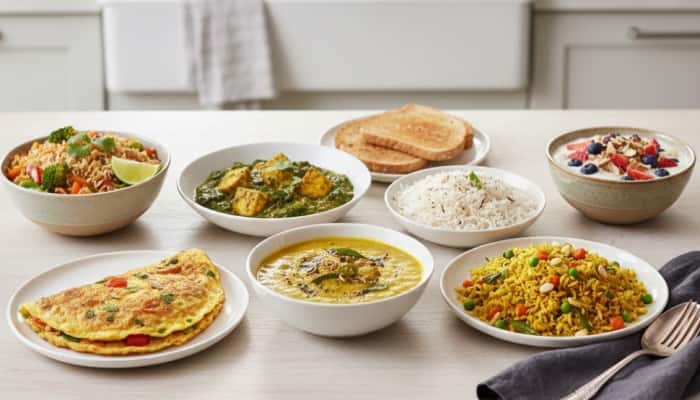
Exam season is one of the most mentally demanding periods any student faces. Long study hours, heightened stress, and irregular sleep schedules can wreak havoc on both cognitive performance and physical health. While most students focus intensely on study strategies and revision techniques, one critical factor often gets overlooked: nutrition. What you eat during exam preparation days has a profound impact on your memory retention, concentration, energy levels, and emotional resilience. Science consistently confirms that the brain — despite accounting for only about 2% of body weight — consumes roughly 20% of the body's total energy. Feed it well, and it performs brilliantly. Neglect it with junk food and caffeine-heavy diets, and your grades may reflect that neglect more than your study effort does.
This article explores the relationship between food and academic performance, offering six carefully designed, easy-to-prepare recipes that target brain health, sustained energy, and stress reduction. Whether you are a college student pulling late-night revision sessions or a school-going teen preparing for board exams, these meals are crafted to help you think more clearly, focus more deeply, and perform more confidently on exam day.
The connection between diet and brain function is not merely anecdotal — it is deeply rooted in neuroscience. Nutrients such as omega-3 fatty acids, antioxidants, B vitamins, iron, and complex carbohydrates directly influence neurotransmitter synthesis, synaptic plasticity, and neuronal energy metabolism. When students skip meals or rely on ultra-processed snacks, they deprive the brain of the raw materials it needs to encode new memories and retrieve stored information efficiently.
Key nutritional priorities during exam season include:
• Steady blood glucose levels to avoid energy crashes and brain fog.
• Adequate hydration, as even mild dehydration can impair concentration and short-term memory.
• High-quality protein to support neurotransmitter production, including serotonin and dopamine.
• Antioxidant-rich foods to combat oxidative stress caused by sleep deprivation.
• Magnesium and zinc to support neural connectivity and reduce anxiety.
Why It Works: Oats are a slow-releasing complex carbohydrate that maintains steady blood sugar levels throughout your morning study session. Turmeric contains curcumin, a potent anti-inflammatory compound shown to support memory and reduce anxiety. Walnuts are among the richest plant sources of DHA, an omega-3 fatty acid essential for cognitive function. Blueberries deliver anthocyanins that protect neurons and enhance communication between brain cells.
Ingredients:
• 1 cup rolled oats
• 2 cups milk or plant-based alternative
• 1/2 teaspoon ground turmeric
• 1 teaspoon honey or maple syrup
• 1/2 cup fresh or frozen blueberries
• A handful of walnuts (roughly chopped)
• A pinch of black pepper (enhances curcumin absorption)
Method:
Bring the milk to a gentle simmer in a small saucepan. Add the oats and stir continuously for 4 to 5 minutes until thickened to your desired consistency. Stir in turmeric, black pepper, and your chosen sweetener. Transfer to a bowl and top with blueberries and walnuts. Serve immediately while warm. Preparation time: 10 minutes.
Why It Works: Eggs are a nutritional powerhouse packed with choline, a nutrient directly involved in acetylcholine synthesis — the neurotransmitter responsible for memory and learning. Spinach delivers iron and folate, vital for preventing mental fatigue. Avocado provides monounsaturated fats that support healthy blood flow to the brain, enabling faster information processing.
Ingredients:
• 2 large eggs
• 2 cups fresh baby spinach
• 1/2 ripe avocado, sliced
• 1/2 cup cooked quinoa or brown rice
• 1 tablespoon olive oil
• Salt, pepper, and red chili flakes to taste
• A squeeze of fresh lemon juice
Method:
Warm olive oil in a non-stick pan over medium heat. Saute spinach for 2 minutes until just wilted. Season with salt and pepper. Poach or fry the eggs to your liking. Assemble your bowl by layering quinoa at the base, followed by wilted spinach, sliced avocado, and the cooked eggs. Finish with a squeeze of lemon and a pinch of chili flakes. Preparation time: 15 minutes.
Why It Works: Fatty fish like salmon is the gold standard of brain food, richly supplied with EPA and DHA omega-3 fatty acids that reduce neuroinflammation and support synaptic strength. Sweet potato provides vitamin B6, which is critical for serotonin and dopamine production, helping regulate mood and reduce exam-period anxiety. Together, this plate offers a comprehensive nutritional profile designed for peak mental performance.
Ingredients:
• 1 salmon fillet (approximately 150g)
• 1 medium sweet potato
• 1 cup broccoli florets
• 1 tablespoon olive oil
• 1 teaspoon garlic powder
• 1 teaspoon smoked paprika
• Salt and pepper to taste
• Fresh parsley for garnish
Method:
Preheat oven to 200°C (400°F). Peel and cube the sweet potato. Toss with olive oil, garlic powder, paprika, salt, and pepper. Spread on a baking tray and roast for 20 minutes. Season the salmon fillet and pan-sear in a hot skillet with a drizzle of olive oil for 3 to 4 minutes per side. Steam the broccoli until tender-crisp. Plate together and garnish with fresh parsley. Preparation time: 30 minutes.
Why It Works: Lentils are an exceptional plant-based source of slow-digesting carbohydrates and protein, providing consistent energy without the dreaded afternoon slump. They are also rich in iron and folate — two nutrients directly associated with cognitive alertness and the prevention of brain fatigue. This warming soup is ideal for a lunch that keeps you mentally sharp through an entire afternoon study session.
Ingredients:
• 1 cup red lentils, rinsed
• 1 medium carrot, diced
• 1 celery stalk, chopped
• 1 medium onion, finely diced
• 2 garlic cloves, minced
• 1 can diced tomatoes (400g)
• 4 cups vegetable broth
• 1 teaspoon cumin
• 1/2 teaspoon turmeric
• 1 tablespoon olive oil
• Salt and pepper to taste
• Fresh coriander to serve
Method:
Heat olive oil in a large pot over medium heat. Saute onion and garlic until softened, about 3 minutes. Add carrot, celery, cumin, and turmeric, stirring to coat in the spices. Add lentils, tomatoes, and vegetable broth. Bring to a boil, then reduce heat and simmer for 20 to 25 minutes until lentils are completely tender. Season generously and serve topped with fresh coriander. This soup stores well in the fridge for up to three days. Preparation time: 35 minutes.
Why It Works: Greek yogurt is packed with probiotics that support the gut-brain axis, an emerging area of neuroscience linking a healthy gut microbiome to improved mood, reduced stress, and sharper focus. Chia seeds deliver omega-3s, fiber, and slow-releasing energy. Dark chocolate (at least 70% cacao) contains flavanols that increase cerebral blood flow and theobromine, a natural mild stimulant that sharpens alertness without the jitteriness of caffeine.
Ingredients:
• 1 cup plain Greek yogurt (full fat)
• 1 tablespoon chia seeds
• 1 tablespoon pumpkin seeds
• 2 squares of dark chocolate (70%+ cacao), roughly chopped
• 1/2 cup mixed berries
• 1 teaspoon honey
• 2 tablespoons granola (low sugar)
Method:
This recipe requires no cooking — simply assemble in layers. Spoon Greek yogurt into a tall glass or bowl. Add a layer of granola, then top with berries, seeds, and dark chocolate pieces. Drizzle with honey. This can be prepared the night before and refrigerated, making it an ideal grab-and-go breakfast or mid-study snack. Preparation time: 5 minutes.
Why It Works: This smoothie is designed for moments when time is short but nutritional needs are high. Bananas are one of nature's best pre-study foods, providing rapid and sustained glucose along with vitamin B6 for neurotransmitter synthesis. Almond butter supplies healthy fats, magnesium, and vitamin E — a potent antioxidant that protects brain cell membranes. Rolled oats add fiber that slows sugar absorption, preventing the energy spike and crash cycle that derails concentration.
Ingredients:
• 1 ripe banana
• 2 tablespoons almond butter (no added sugar)
• 1/4 cup rolled oats
• 1 cup milk or unsweetened almond milk
• 1/2 teaspoon cinnamon
• 1 teaspoon flaxseeds
• 4 to 5 ice cubes
• Optional: 1 teaspoon honey
Method:
Combine all ingredients in a blender and blend on high speed for 45 to 60 seconds until completely smooth and creamy. Pour into a large glass and consume immediately for maximum nutritional benefit. This smoothie can also double as a post-study recovery drink after an intensive revision session. Preparation time: 5 minutes.
Beyond individual meals, adopting broader healthy eating behaviors during exam preparation can significantly amplify your cognitive performance.
• Never skip breakfast: Even a small, nutrient-dense meal activates your metabolism and primes your brain for learning.
• Eat at regular intervals: Aim for three main meals and one to two healthy snacks to maintain stable blood glucose and avoid mental fatigue.
• Limit caffeine to moderate amounts: One to two cups of coffee or green tea can enhance alertness, but excessive caffeine leads to anxiety, disrupted sleep, and diminished returns on concentration.
• Stay hydrated: Aim for 6 to 8 glasses of water daily. Herbal teas and water-rich fruits count too.
• Avoid sugar-heavy and deep-fried foods: These cause inflammatory responses in the brain, impair memory consolidation, and lead to energy crashes at critical moments.
• Practice mindful eating: Eating away from your study desk without distractions helps digestion and allows your brain a genuine mental rest period.
The relationship between what you eat and how well you perform academically is not a matter of opinion — it is evidence-based science. Your brain is an energy-hungry organ that depends on a rich and consistent supply of quality nutrients to perform complex cognitive functions such as learning, reasoning, memory consolidation, and problem-solving. During exam season, when these demands are at their peak, your dietary choices become one of the most powerful tools in your academic arsenal.
The six recipes presented in this article are not just meals — they are strategic investments in your academic performance. From the anti-inflammatory power of the golden turmeric oatmeal to the omega-3 richness of the salmon plate, each recipe has been designed to deliver specific cognitive benefits that align with the demands of exam preparation. They are practical, affordable, and require minimal cooking experience, ensuring that even the busiest student can prepare them without significant time away from studying.
As you navigate your exam season, remember this fundamental truth: the quality of your focus, the sharpness of your memory, and the stability of your mood on exam day will be shaped, in no small part, by what lands on your plate in the days before. Eat with intention, nourish your mind generously, and approach your exams with the confidence that comes from being genuinely well prepared — inside and out.
Q1: Can I eat these meals even if I have dietary restrictions or food allergies?
Absolutely. All six recipes are highly adaptable. Vegans can substitute eggs with tofu scramble, replace salmon with hemp seeds or flaxseed-enriched alternatives, and use plant-based milk throughout. Those with gluten intolerance can swap oats for certified gluten-free varieties and replace quinoa with rice. Nut allergies can be accommodated by substituting almond butter with sunflower seed butter and omitting walnuts entirely. The core nutritional goals of each recipe remain achievable with thoughtful substitutions.
Q2: How much water should I drink while studying during exam season?
Research suggests that students should aim to consume between 1.5 and 2 liters of water per day under normal conditions. During periods of intense mental work and elevated stress, this may increase slightly. A practical guideline is to keep a water bottle at your study desk and take regular sipping breaks every 30 to 45 minutes. If you find plain water unappealing, infusing it with cucumber, lemon, or mint can make hydration more enjoyable without adding sugar or calories.
Q3: Is it okay to eat late at night during exam preparation?
Late-night eating is generally not recommended as it can disrupt sleep quality and interfere with the memory consolidation processes that occur during deep sleep. However, if you must study late and feel genuinely hungry, opt for light, protein-rich snacks such as a small portion of Greek yogurt, a handful of nuts, or a boiled egg. Avoid heavy, carbohydrate-dense meals close to bedtime, as these can cause blood sugar fluctuations that interrupt restful sleep — and sleep is one of the most powerful study tools available to you.
Q4: Are energy drinks or caffeine supplements helpful during exam season?
While moderate caffeine from natural sources such as coffee or green tea can temporarily improve alertness and reaction time, energy drinks are generally counterproductive during exam preparation. Most commercial energy drinks contain excessive sugar, artificial additives, and very high caffeine doses that can cause anxiety, heart palpitations, and severely disrupted sleep patterns. The short-term alertness benefit is far outweighed by the negative impact on sleep quality and exam-day anxiety levels. Natural, nutrient-dense alternatives such as the banana almond smoothie in this article provide sustained energy without the harmful side effects.
Q5: How far in advance should I start eating healthily to see benefits during exams?
The brain responds relatively quickly to dietary improvements. Most students report noticeable improvements in focus, mental clarity, and mood within just 5 to 7 days of consistently eating nutrient-dense meals. Ideally, you should begin implementing these dietary changes at the very start of your exam preparation period — weeks before the exam itself. However, even beginning two or three days before a major exam can make a meaningful positive difference. The most important day to eat well is the day of the exam itself: a balanced, protein-rich breakfast without excessive sugar will prime your brain for optimal performance.
Q6: Can meal prepping save time during busy exam periods?
Yes — meal prepping is one of the most effective strategies for maintaining healthy eating habits during exam season without sacrificing valuable study time. Dedicate one to two hours on a weekend to preparing large batches of the lentil soup, roasting sweet potatoes, cooking quinoa, and portioning out snack ingredients. Store meals in clearly labeled containers in the refrigerator. This ensures that nutritious food is always within reach, eliminating the temptation to reach for unhealthy convenience foods when study pressure is at its highest.