English
 Arabic
 French
 Spanish
 Portuguese
 Deutsch
 Turkish
 Dutch
Dutch
 Italiano
 Russian
 Romaian
 Portuguese (Brazil)
 Greek
Greek
Europe Non-Invasive Radiosurgery Robots Market Investment Opportunities
Fitness |
2026-05-28 06:39:19
 Social Networth OS
 Creator Commerce
 Launch Startup
 Global News
 Creator Award
 Talkfever App
See All
Talkfever App
See All

Upgrade to Pro
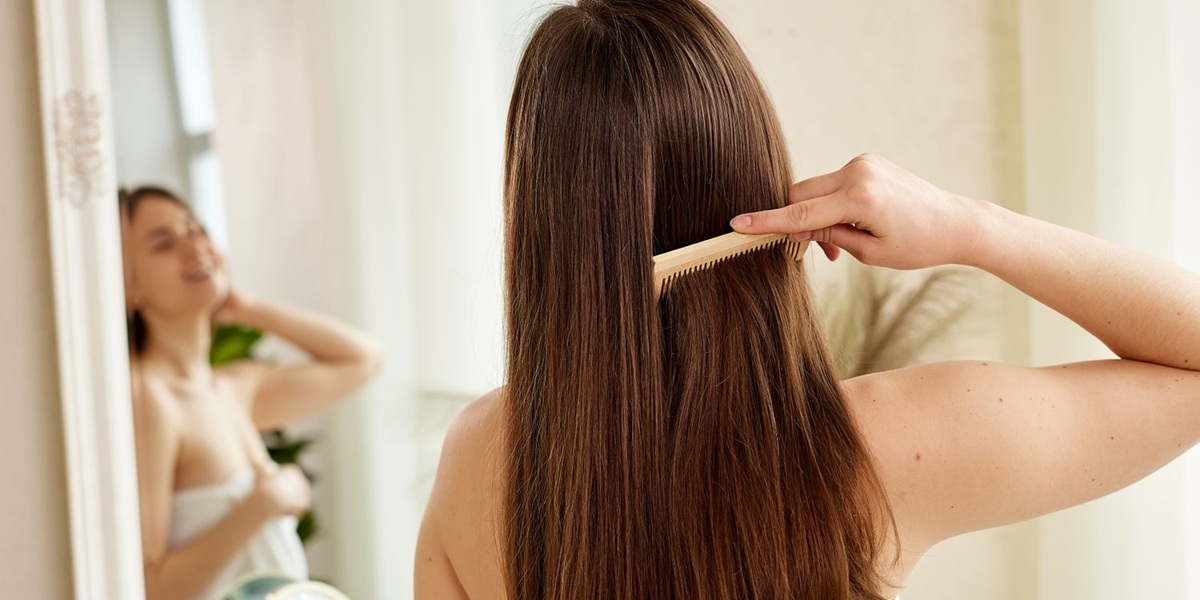
Healthy hair has long been seen as a symbol of vitality, confidence, and beauty. While shampoos, serums, and treatments promise quick results, true hair strength begins from within. The food we eat plays a powerful role in determining how fast and how well our hair grows. When the body receives the right nutrients, hair follicles are nourished, scalp health improves, and hair strands become stronger and shinier.
This article explores five natural foods that support hair growth, explains how they work, why they are essential, and highlights their key benefits. By making these foods part of your regular diet, you can help your hair grow naturally and sustainably.
Hair is made primarily of a protein called keratin. To produce keratin efficiently, the body needs adequate protein, vitamins, minerals, and healthy fats. A lack of these nutrients may cause hair thinning, slow growth, dryness, and excessive hair fall.
Poor diet, stress, and environmental exposure can weaken hair follicles over time. When the scalp does not receive enough nourishment through blood circulation, hair enters a resting phase and sheds prematurely. Therefore, feeding your body the right nutrients is one of the most reliable ways to encourage stronger and longer hair.
Eggs are rich in protein and biotin, two nutrients essential for hair production. Protein builds the structure of hair strands, while biotin supports keratin synthesis.
How it works:
Eggs supply amino acids that help form hair tissue and repair damaged follicles. Biotin improves hair thickness and resilience.
Benefits:
Reduces hair breakage
Supports faster growth
Improves hair texture and shine
Including eggs in your diet two to four times a week can significantly support scalp and hair health.
Spinach is packed with iron, folate, vitamins A and C, and antioxidants. These nutrients help red blood cells carry oxygen to hair follicles.
How it works:
Iron deficiency is a common cause of hair loss. Spinach helps prevent this by improving oxygen supply to the scalp. Vitamin A helps regulate oil production, keeping the scalp moisturized.
Benefits:
Strengthens hair roots
Prevents dryness
Enhances blood flow to the scalp
Regular intake of leafy greens improves not just hair growth but also overall skin and nail health.
Almonds, walnuts, flaxseeds, and chia seeds are rich in omega-3 fatty acids, vitamin E, and zinc.
How it works:
Omega-3 fatty acids nourish hair follicles and reduce inflammation on the scalp. Vitamin E improves blood circulation, and zinc supports hair tissue repair.
Benefits:
Adds natural shine
Reduces hair thinning
Supports follicle regeneration
A small daily portion of mixed nuts and seeds can deliver long-term hair benefits.
Sweet potatoes are an excellent source of beta-carotene, which the body converts into vitamin A.
How it works:
Vitamin A stimulates the scalp to produce natural oils that moisturize hair and prevent breakage.
Benefits:
Keeps scalp hydrated
Reduces split ends
Improves elasticity of hair strands
Sweet potatoes also provide energy and antioxidants, supporting overall cellular health.
Greek yogurt contains protein, vitamin B5 (pantothenic acid), and probiotics.
How it works:
Protein strengthens hair structure, while vitamin B5 improves blood flow to hair follicles. Probiotics enhance nutrient absorption, which indirectly supports hair growth.
Benefits:
Reduces hair shedding
Strengthens hair roots
Improves scalp condition
Consuming yogurt daily helps maintain internal balance and healthy digestion, which reflects positively on hair quality.
These five foods supply a powerful combination of protein, vitamins, minerals, and healthy fats. When consumed consistently, they:
Strengthen hair at the root
Improve scalp circulation
Balance oil production
Reduce oxidative stress
Support keratin formation
Rather than relying on one nutrient alone, a balanced intake ensures your hair receives complete nourishment from within.
Choosing food-based solutions offers long-term advantages over chemical treatments:
Sustainable Results: Nutrition-based growth is slow but lasting.
Minimal Side Effects: Whole foods are safer than artificial supplements.
Improved Overall Health: Hair improvement is accompanied by better skin, nails, and immunity.
Cost-Effective: Natural foods are affordable compared to salon treatments.
Scalp Balance: Reduces dandruff and dryness naturally.
To maximize the effects of these foods:
Drink enough water to keep hair hydrated
Reduce excessive sugar and processed foods
Get adequate sleep
Manage stress levels
Avoid frequent heat styling and harsh chemicals
Nutrition works best when combined with healthy daily habits.
Hair growth is not just a cosmetic concern; it reflects your internal health. By embracing nature’s finest foods, you give your hair the nutrients it needs to grow strong, thick, and vibrant. Eggs, spinach, nuts and seeds, sweet potatoes, and Greek yogurt form a powerful natural system that supports hair from the root to the tip.
True beauty begins within, and when your body is nourished, your hair becomes a crown of confidence. These royal foods do not promise overnight miracles, but with consistency and care, they help restore your hair’s natural strength and growth over time.
Q1: How long does it take to see results from dietary changes?
Hair growth is slow, and visible improvements usually appear within 8 to 12 weeks of consistent healthy eating.
Q2: Can these foods stop hair loss completely?
They can reduce hair loss caused by nutritional deficiencies, but hair loss due to genetics or medical conditions may require professional treatment.
Q3: Is it better to eat these foods raw or cooked?
Both forms are beneficial. Light cooking improves absorption of some nutrients, such as beta-carotene from sweet potatoes.
Q4: Can I rely only on food and skip hair products?
Diet builds the foundation, but gentle hair care practices and mild products still play a supportive role.
Q5: Are supplements necessary if I eat these foods?
Most people can meet their needs through food alone. Supplements should only be taken under medical advice.